


Whiteboards are not mini art galleries. They’re tools. The best things to draw on a whiteboard are fast, bold, a bit chaotic, and invite other people to jump in. If you’re spending three hours on a photorealistic eye, you’ve missed the point.
Below are practical, creative whiteboard ideas that actually work in offices, classrooms, studios, and at home—plus how to keep the board alive instead of letting it turn into a static quote wall no one touches.

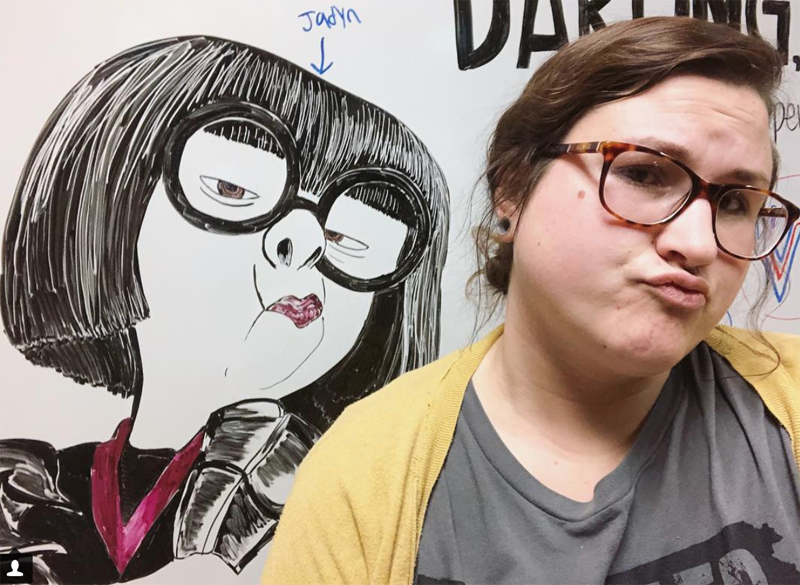
1. Big, Bold Doodles That Don’t Take Themselves Seriously
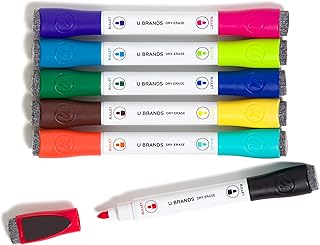
Start with whiteboard doodles and sketches that take 30–90 seconds, not 30 minutes. Dry erase markers are made for quick, chunky lines and simple forms you can change on the fly.
Some easy, high-impact whiteboard drawing ideas:
- Cute food: ice cream cones, pizza slices, coffee cups with faces
- Chunky animals: blob cats, penguins, dinosaur silhouettes, goldfish
- Everyday objects: keys, headphones, mugs, plants, sneakers
- Simple faces: a few lines for eyes, brows, and mouth with exaggerated expressions
- Abstract shapes: clusters of circles, arches, zigzags, and waves that overlap
Keep lines thick, shapes clear, and details minimal. One bold outline, one or two accent colors, done.

These quick drawings do three things: warm up your hand, make the board approachable, and give others “permission” to add their own scribbles instead of being scared to ruin something precious.
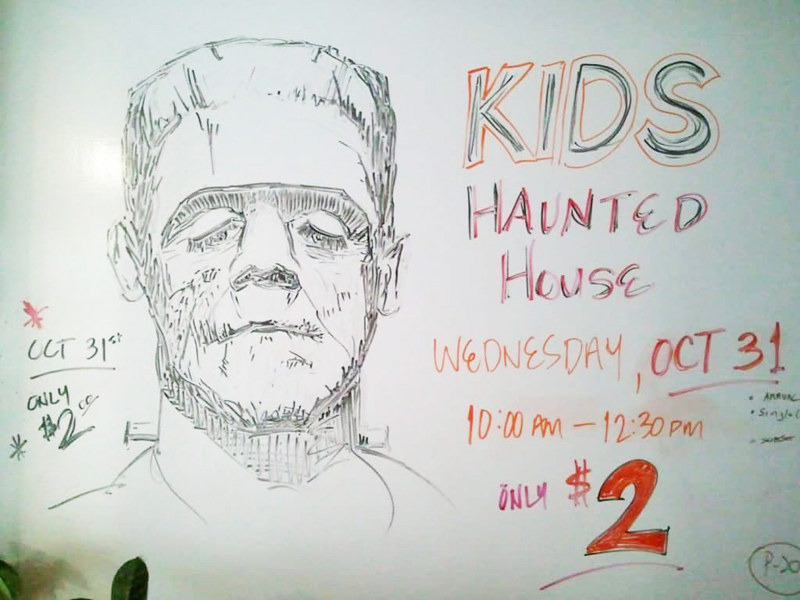
2. Collaborative Comics Instead of Static Quotes
If your “creative whiteboard ideas” begin and end with a perfectly lettered inspirational quote, you’ve turned a living tool into a fake poster. Better option: a rotating comic everyone can mess with.
How to run a collaborative whiteboard comic:
Draw a simple frame or three across the top of the board. In the first frame, sketch a basic character (stick figure is fine) in a situation: running late, lost in a forest, stuck in a meeting. Add one speech bubble. Then leave the rest blank.
Rules of the wall:
Anyone can add a panel, redraw a character, or extend the story as long as they keep it moving. Once the board fills, take a photo, erase half, and start a new “issue.” This turns the whiteboard into a shared story, not a shrine to typography.
This works in offices, classrooms, and common rooms because it’s low-stakes. No one is trying to be a comic artist; they’re just adding the next beat. The messier the styles and handwriting, the better.
3. Evolving Doodle Walls That Never Stay the Same
An empty large magnetic whiteboard “waiting for inspiration” is a design failure. Seed it. Always.
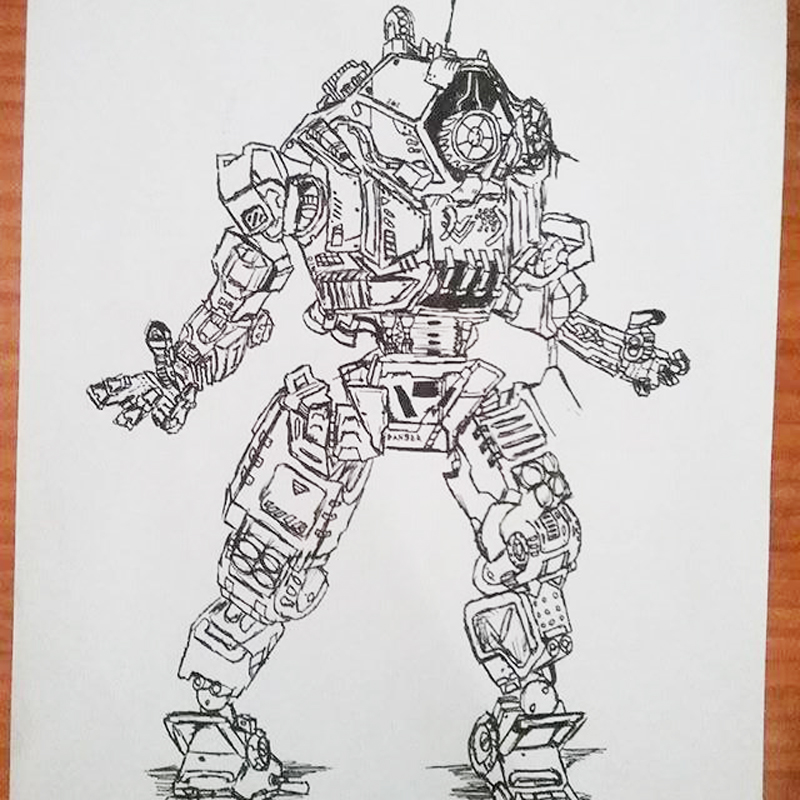
Set up a long-lived doodle wall with one simple rule: something must change every day or every week. Start with a lopsided landscape, half-finished creature, or abstract pattern. Then invite chaos.
Good whiteboard drawing ideas for evolving walls:
Turn a forest into a city over a week. Start with three wonky trees; let people add cabins, roads, monsters, satellites, whatever. Or draw a giant blob creature in the middle and let others add eyes, limbs, accessories, and enemies. The point is movement. Take a snapshot before you wipe a section, then restart that area with a new seed. This constant churn keeps people coming back to see what changed.
4. Whiteboard Games That Actually Get Loud
Most “fun whiteboard games and puzzles” are too timid. A tiny maze in the corner is cute for five minutes, then it becomes ghosted marker haze no one wants to touch. Go for games that make people shout, argue, and move.
Fast, Competitive Drawing Games
Speed is your friend here. Use the board like an arena.
Pictionary-style relay: Split into two teams. One person from each team comes up, you whisper or show them a word, then they race to draw while their team guesses. No letters, no numbers, brutal time limit (20–30 seconds). Change drawers every round. The drawings will be terrible. That’s the point.
Ruthless hangman: One person picks a word or phrase. For every wrong guess, instead of a simple stick figure, add absurd body parts, props, or doom scenarios around the gallows. Use the full board. This keeps even a basic game visually wild.
Chaotic Connect-the-Dots Murals
Draw 30–60 numbered dots scattered across the board. Don’t be neat; cluster some, spread others. Players take turns connecting a line between any two dots, adding tiny details (eyes, windows, teeth) as they go. No one is allowed to “fix” someone else’s weirdness. After 10–15 minutes, you’ll have dense, strange collaborative art that looks nothing like the original plan.
5. Smart Brainstorming Sketches (Without the Boring Clouds)
If your idea of creative whiteboard ideas is three circles and some arrows, you’re not brainstorming—you’re drafting a slide. Ditch the “cloud and arrows” template; use drawing to think, not to decorate text.
How to sketch ideas in a way that actually helps:
For processes, draw simple scenes, not bullets. Example: instead of “step 1, step 2,” sketch a person encountering a problem, then what they see, then what they do. Stick figures are fine. Use arrows between moments, not cloud bubbles. For workflows, turn each step into a box or icon: a laptop, a door, a stack of papers, a phone. Then connect them with thick lines that bend, cross, or loop. The board should look like a route map, not a corporate org chart.
When mapping ideas, use abstract blocks. Draw large chunks of color or outlined shapes to group related thoughts. Label them with a single word: “People,” “Money,” “Risks,” “Wild.” Then throw notes, doodles, and mini-icons into those zones. This is where abstract drawings shine: they show where the weight of thinking sits at a glance.