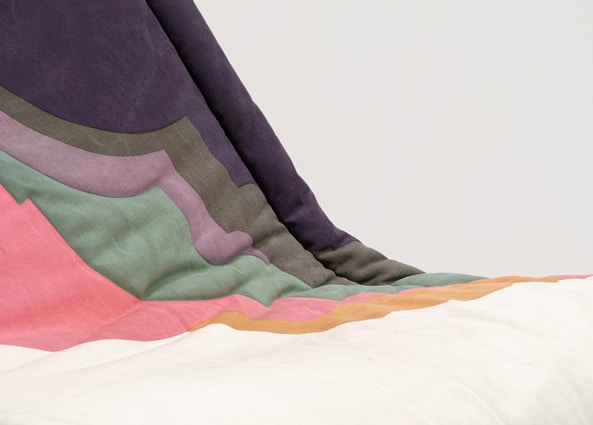


If you’re searching for a floating carpet chair, you’re not looking for another accent armchair. You’re chasing that Aladdin moment: a magic carpet-style chair that looks like it’s hovering in mid-air, part furniture, part illusion.
Here’s the blunt truth: these pieces can be incredible, but they’re not casual buys. They’re high-budget, high-drama, and very easy to get wrong in a normal living room.
What a floating carpet chair actually is (and isn’t)
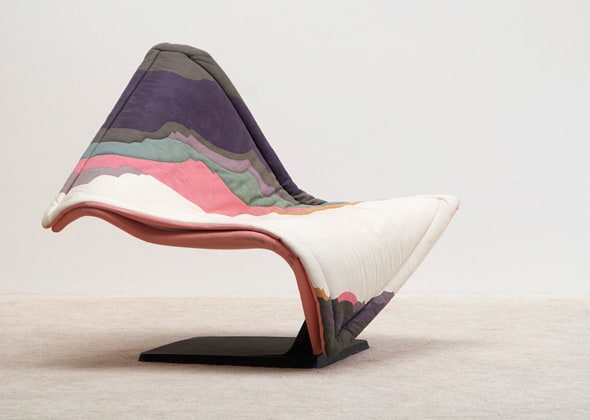
In design terms, a floating carpet chair is usually an illusion floating carpet furniture piece that mimics a levitating rug while still functioning as a chair, lounger, or daybed. Structurally, it’s very real: steel, foam, fabric. Visually, it’s pure fantasy.
Right now, there are two serious benchmark designs:
First, the contemporary Persian-rug illusion chair by Stelios Moussaris. Second, the 1968 stainless steel Flying Carpet Daybed by Maria Pergay. Almost everything else on the market either nods to them or slides into novelty territory.
What it isn’t: a practical “extra seat” to pull up to movie night. Treat it as collectible furniture or art you can sit on, not a replacement for a sofa or lounge chair.
The Stelios Moussaris magic carpet chair: fantasy first, furniture second
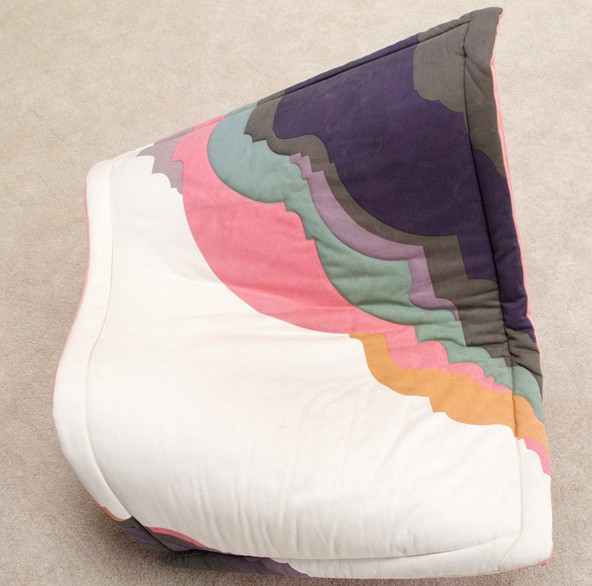
Moussaris’s design is what most people picture when they search for illusion floating carpet furniture. It uses an actual Persian-style carpet, reinforced from within with a steel structure, then formed into a wave so it looks like a magic carpet style chair caught mid-flight.
The effect is strong. From certain angles it absolutely reads as a rug floating in your living room, which is why it gets shared everywhere online. It can be customized in color and size, and it’s engineered to be structurally sound enough to sit on.
Here’s where reality bites: it costs in the low-to-mid five figures (roughly $13,000–$14,000 depending on customization) and usually comes in limited numbers. More importantly, it behaves like art. In real homes, I’ve watched people hover on the edge of pieces like this, terrified to shift their weight, let alone let their kids climb on it. If you buy this as “extra lounge seating,” you’re deluding yourself. You’re putting a very delicate sculpture into a circulation path and pretending it’s a chair.
Used right, it can turn a living room into something approaching a theatrical “Persian palace” fantasy. Used badly, it looks like someone dropped a prop from a movie set into a standard white-box apartment.
Maria Pergay’s Flying Carpet Daybed: the one that actually holds up
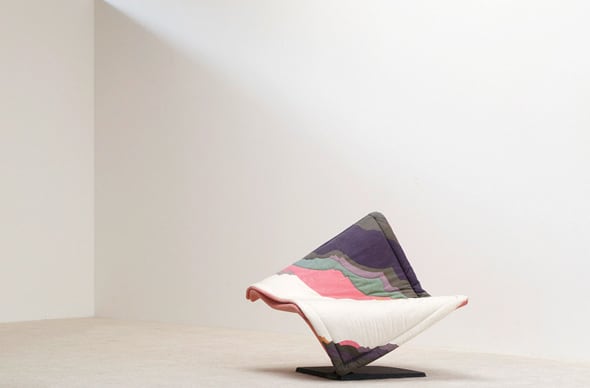
Maria Pergay’s 1968 Flying Carpet Daybed is the grown-up in the room. It’s one continuous sweep of stainless steel, formed into an undulating platform with foam and fabric on top, on castors. It still nods to the idea of a floating carpet, but it never pretends to be a literal rug suspended in mid-air.
The scale is generous: around 3 meters long (about 117 in), with a mattress roughly 80 x 196 cm (31.5 x 77 in). So this is not a perching chair; it’s a low daybed or lounging island that can legit replace a small sofa in the right room.
This piece works because it’s honest. It looks like what it is: metal, modern, a little strange, and unapologetically so. The illusion is subtle—more hovering slab than theme-park magic carpet. That’s why it still feels relevant decades later, and why it gets serious coverage in design books and galleries instead of just viral posts.
If you’re drawn to a unique floating chair design that will age well, this is the blueprint: strong structural logic, clear materiality, not a one-note “look, it’s floating!” trick.
Other “magic carpet” seats: from rare icons to pure novelty
Beyond these two, the landscape gets thin fast.
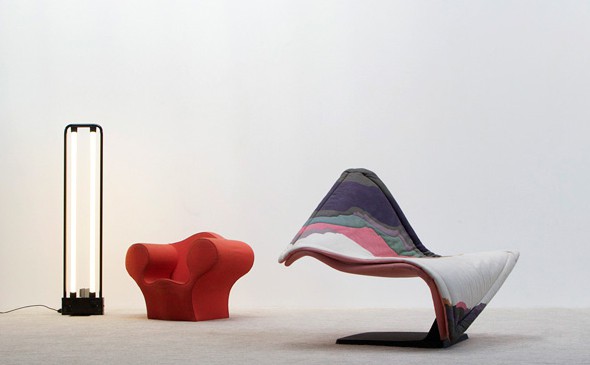
Ettore Sottsass’s early-’70s Tappeto Volante (Flying Carpet Chair/Bed) is another collectible piece that plays in this territory—essentially a hybrid chair-bed with a whimsical living room chair profile, usually seen in vintage listings at serious prices. It shares the same attitude: playful shape, real structure.
Then you have the novelty layer: Etsy is packed with “flying carpet chair” items that are not chairs at all—mouse pads, desk mats, floor protectors with fantasy artwork. Fun for a themed office, but they won’t give you a hovering seat in your living room.
Crucially, there is no mass-produced, affordable novelty magic carpet seat that truly floats or convincingly mimics these high-end pieces. If you see a cheap “floating rug chair” online, expect either a printed pattern on a very normal seat, or a wobbly DIY-looking frame dressed in discount fabric.
When a floating carpet chair actually works in a home
This type of furniture is like a ball gown: spectacular in the right context, awkward everywhere else. A floating carpet chair in a standard beige living room looks more like a rental prop than design confidence.
It works when:
The architecture can carry it. High ceilings, strong sightlines, generous negative space, and clean walls give these pieces room to read as intentional, not random. A magic carpet-style chair crushed against a TV unit or wedged between bulky recliners dies on impact.
The lighting does its job. These are illusion objects, and illusions live or die on light and shadow. Grazing light from the side, or a focused downlight at low intensity, can dramatize the curves and the “hover.” Rows of harsh recessed downlights flatten everything and make your floating carpet look like a weird lump.
The rest of the furniture can keep up. A novelty magic carpet seat tossed into a safe, beige, generic room doesn’t magically make the room “eclectic.” It just exposes how timid everything else is. If you’re going whimsical, commit: fewer pieces, bolder lines, clear color story.
And most importantly: circulation. These pieces often have soft edges and non-standard shapes. People will misjudge where to sit, or how far the “edge” is. Leave more clearance than you think, so no one grazes it walking by with a drink.