


Coral inspired light fixtures can be breathtaking or painfully tacky. There’s almost no middle ground. If you want that “sparkling light from the water” effect, you have to commit: sculptural form, good materials, and serious scale. Anything less reads like a themed restaurant.
What makes a coral inspired light fixture actually good?
A strong coral inspired light fixture isn’t just “ocean themed lighting.” It behaves like a piece of sculpture that also happens to light the room well. Think branching geometry, layered shadows, and a glow that feels like light filtered through water.
The best examples tick a few non-negotiables:
- Abstract first, coral second: From a distance, it should read as an interesting form, not a literal sea creature. If you can name the species from the sofa, it’s too on-the-nose.
- Quality materials: Bamboo plywood, metal mesh, or crushed silk look grown-up. Shiny chrome coral, cheap resin, and thin stamped metal scream “souvenir shop.”
- Real light performance: Enough lumens for the room, not just a decorative glow. You want layered light, not a dim prop hanging from the ceiling.
- Controlled shadows: Intentional patterns that flatter walls and ceilings—not chaotic blotches that make the paint look dirty.
If a coral inspired light fixture can’t hit those marks, you’re better off with a simple, clean pendant and ocean references in art or textiles instead.

Ceiling and pendant coral lighting: where this theme works best
Coral forms belong in the “water column” visually—above eye level, where you’d expect branching shapes to float. That’s why pendants, suspensions, and modern coral ceiling lights are usually the most successful.
Architectural coral pendants (the benchmark)
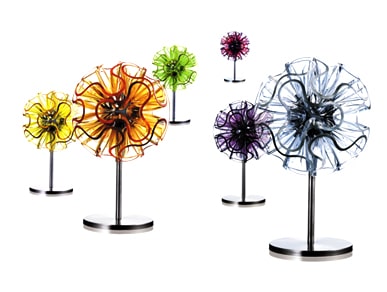
Designers like David Trubridge set the standard here. His coral-inspired pendants use a bamboo plywood lattice to create a spherical or polyhedral form that recalls coral without copying it. The geometry is tight, the patterns are deliberate, and the shadows are honeycomb-like, not messy.
Practically speaking, a pendant like this works because:
– It comes in multiple diameters (roughly 40–160 cm), so you can size it correctly over a dining table, in a stairwell, or in a living room.
– The bamboo is light, strong, and ages in a way that still looks intentional years later.
– The fixture throws patterned but predictable light—you can design around it.
I’d trust this type of coral inspired light fixture over 90% of the ocean inspired lighting design flooding the market. The knockoffs often copy the look without understanding the geometry, so the holes and overlaps create blotchy, chaotic shadows that make walls look stained.
Organic suspensions and chandeliers
On the more fluid, reef-like end, you’ll find suspensions such as the Coral Reef–style collections that build volume from handmade technical fabrics or SIMETECH-like materials. These use layered, curved sheets to mimic coral formations with softer, more continuous light.
They’re strong in:
– Open-plan living and dining rooms where you want one major focal point.
– Double-height spaces where the fixture needs physical presence without visual heaviness.
– Hotels and restaurants that want that underwater mood without literal fish and shells.
These pieces are usually special order, not impulse buys. That’s a good thing. If a “reef chandelier” shows up as a mass-produced bargain, you can assume the materials and light quality are compromised.
Compact coral ceiling lights
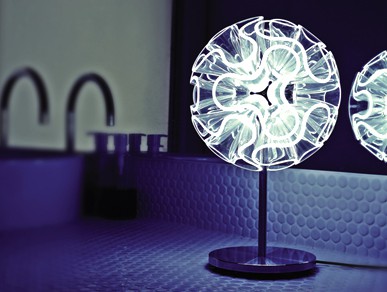
For lower ceilings, look at coral-style wall and ceiling mounts in woven mesh or fabric over a metal frame. Crushed silk stretched over a compact geometry, for example, gives a soft, diffused glow that’s far more refined than a resin coral flush mount.
These work in hallways, bedrooms, and entryways where you want mood over drama. They read as gentle ripples of light, not a theme park feature bolted to the ceiling.
Check out this coral inspired light fixture which provides soft, diffused atmospheric illumination for contemporary residential and architectural settings.

Where coral lighting usually goes wrong
I’ve replaced a lot of coral inspired light fixtures for clients who regret them. The same mistakes appear again and again.
Cheap “coral” metal cutout pendants
You’ve seen these: thin metal drums with random coral patterns laser-cut out of them, usually in white or brushed nickel. They look cute online and terrible in real rooms.
Why they fail:
– The metal is flimsy and dents easily.
– The perforations are arbitrary, so shadows look like visual noise, not coral.
– The finish is flat and lifeless; it drags down everything around it.
These pendants cheapen a room instantly. If you’re not willing to invest in a real sculptural piece, skip the coral theme altogether and pick a clean, minimal fixture instead.
Overly literal ocean motifs
Starfish finials, seashell arms, turquoise fish dangling off the frame—this is how you end up with “beach rental” energy, not a calm, aquatic themed interior lighting mood.
Aquatic themed interior lighting should suggest water with glow, color, and shadow, not shout it with figurines. Crushed silk shades, metal mesh that looks like sea fan structure, or bamboo lattices all create a reef feel without caricature.

Coral reef table lamps: mostly bad, sometimes acceptable
Search for a coral reef table lamp and you’ll drown in heavy resin sculptures stuck under a lampshade. They look dramatic on a product page and turn into dust magnets in real life.
The main issues:
– The base is so visually busy that styling anything else on the surface becomes impossible.
– The proportions are off: big chunky “coral” base, small shade, weird silhouette.
– Light output is usually poor. These are ornaments with a bulb, not functional lamps.
If you truly need functional light on a console, desk, or bedside table, a coral reef table lamp is nearly always the wrong answer. Table lamps should earn their footprint by lighting the task area properly first; decorative impact comes second.
Want reef drama? Put it on the ceiling or the wall. Keep your side tables calmer so books, drinks, and art can share the surface without visual fighting.


