

Architectural insertion in historical site projects sit on a knife edge. Done well, they extend the life of a building and make history usable again. Done badly, they either cosplay the past with fake stone and bad replicas, or they slap a random glass box onto a fragile context and call it “contrast.”
The point is not to make old buildings look new. Or to make new buildings pretend to be old. The point is to let both speak clearly, in the same place, without one suffocating the other.
What “architectural insertion in historical site” actually means
Architectural insertion in historical site work is about placing a contemporary structure or volume into, onto, or tight against an existing historic building or setting, so that the old fabric is preserved and the building can function for modern use.
That might mean:
– a glass volume inside a stone ruin
– a suspended steel house inside an old warehouse
– a rooftop “village” set back on a 19th‑century block
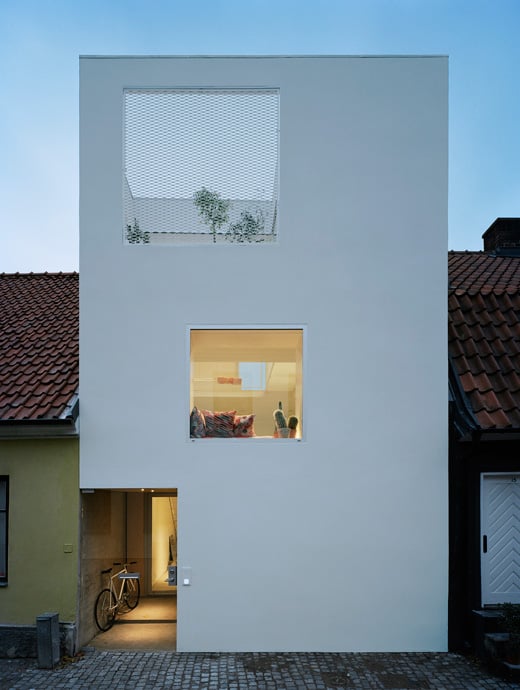
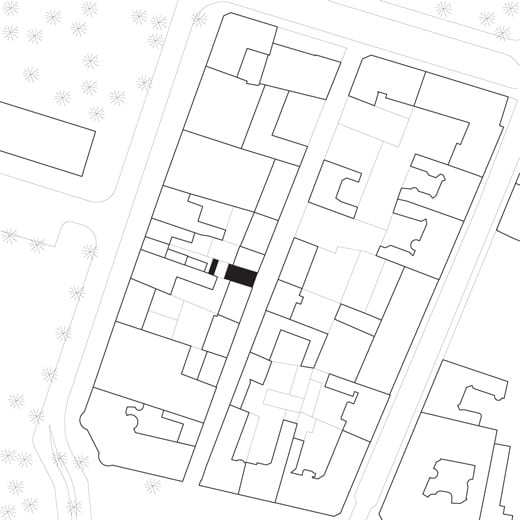
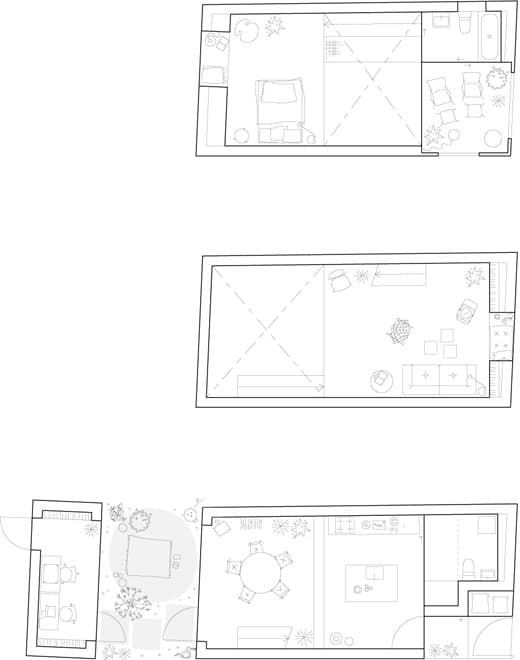
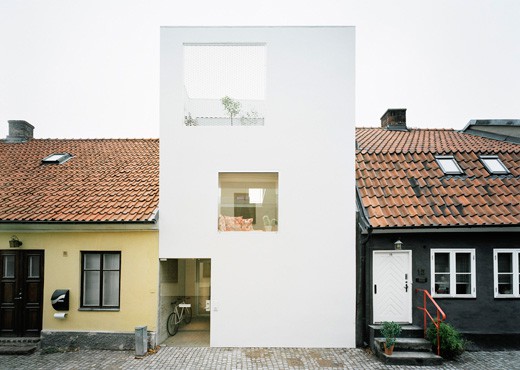
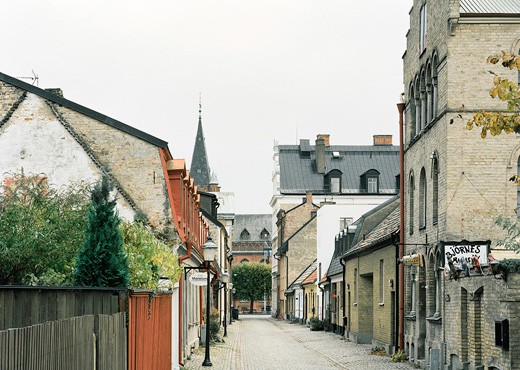
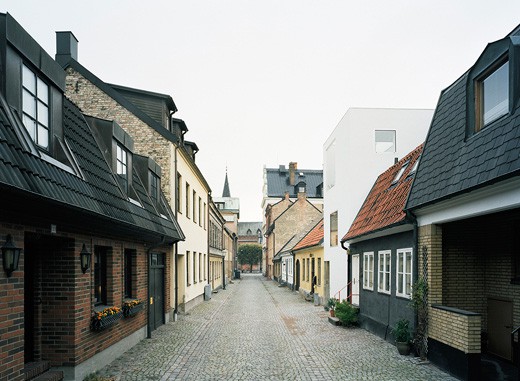
– a modern house stitched into a historic village block while barely showing from the street
In serious projects, the goal is always the same: keep the historic fabric legible, give it a real life (school, museum, office, home), and be brutally honest about what’s original and what’s new.
Core strategies that actually work
1. Clear contrast: old is old, new is new
Most successful contemporary architecture in historic context leans into contrast instead of timid mimicry. The Moritzburg Museum extension in Halle shows why: a sharp glass volume sits inside 15th‑century stone ruins, acting as roof, gallery floor, and lantern. The stone is rough, heavy, and weathered; the glass is smooth, light, and glowing. You never confuse the two.
This approach shows up again in projects like the Convent Saint‑Francois in Corsica, where a perforated copper volume redraws the missing parts of a 15th‑century convent. The copper is not trying to be stone. It weathers in its own way, marks the gap in history, and filters light into the interior. The line between centuries is clear and, more importantly, useful.
What fails? “Sympathetic” extensions that almost match the original stone or brick. I’ve watched those age into a beige blur: the new never looks truly historic, and the old stops reading as historic. You lose both.
2. Internal or infill insertions inside existing shells
Internal insertions are, frankly, the safest and often smartest way to adapt historic structures. Instead of growing outwards, you build a modern structure inside the old envelope, keeping external walls and street character intact.
Good examples span different uses:
– A seven‑storey glass structure inside 19th‑century barracks in Bordeaux turns perimeter walls into a historic casing for a modern school.
– A glass office volume inside Brooklyn’s old Domino sugar factory sits free of the brick shell, with an atrium gap that keeps the masonry readable and dry.
– A steel residential “house” suspended within an old industrial warehouse in Lisbon leaves the exterior almost untouched while creating a completely new world inside.
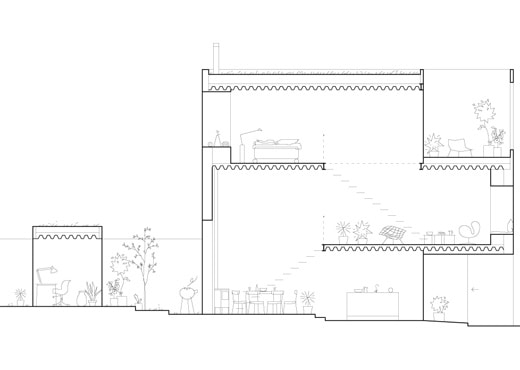
This type of insertion respects strict heritage rules and still gives you daylight, accessibility, and proper floorplates. And because the new construction sits cleanly offset from the old walls, you can read the history in section: rough outer shell, precise inner object, air gap between them.
For enriching the site experience, one can look at architectural integration with landscape principles that emphasize cohesion between building and surroundings.
3. Rooftop insertions and the skyline problem
Rooftop additions on historic buildings are controversial for a reason. One dumb move and you’ve put a plastic toy on top of a serious facade.
The “village on the roof” project in Vienna gets it right by doing three key things: the cubic rooftop apartments sit 16 metres up, they are set back from the street edge, and they form an internal courtyard world that is basically invisible from the streetline. Down on the pavement, you still read a 19th‑century building. Up on the roof, you get a modern neighborhood with panoramic views.
This is the only way rooftop insertions on historic buildings work: deep setback, low visual noise, and a clear hierarchy where the street facade still leads. If your glass penthouse shouts from across the square, you haven’t “added density,” you’ve vandalised a skyline for a couple of show-off living rooms.
4. Hidden modern houses in historic settings
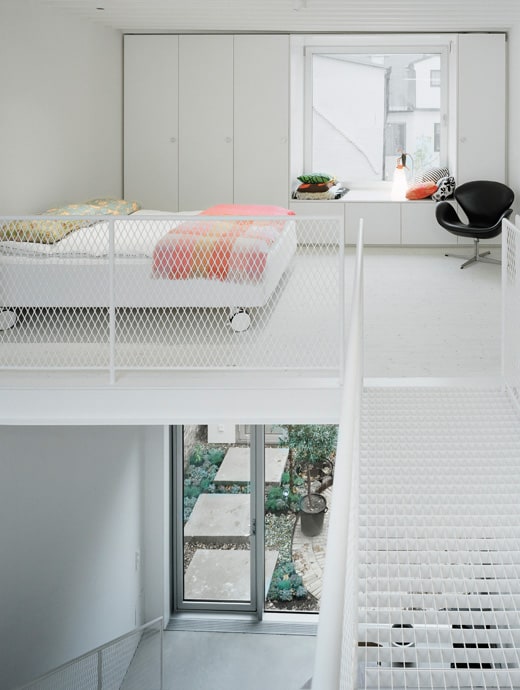
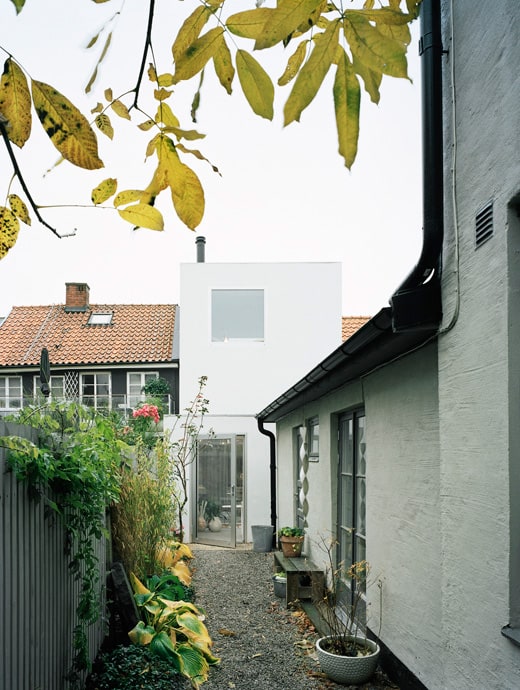
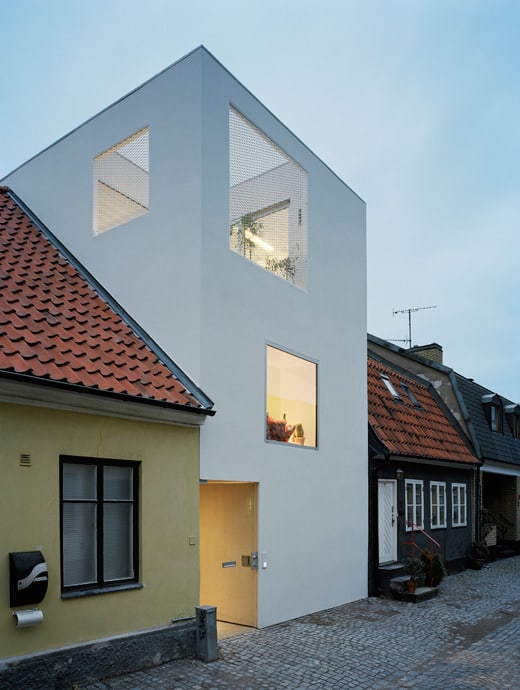
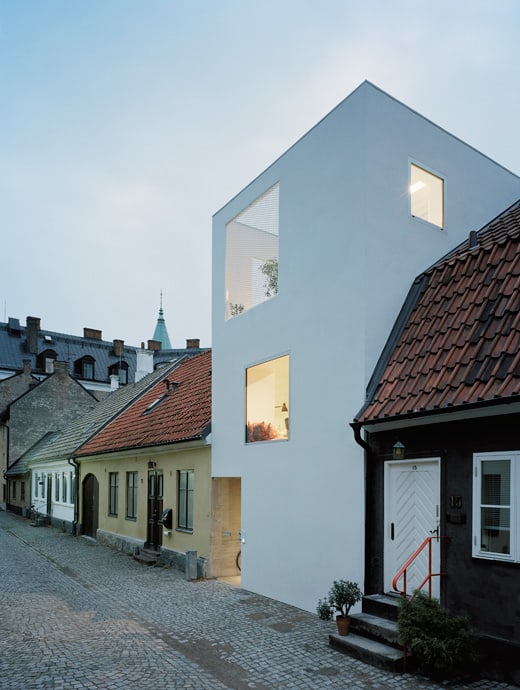
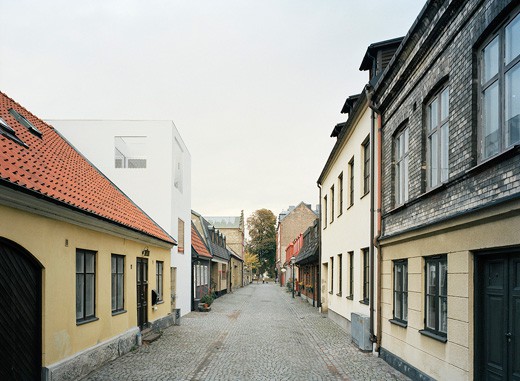
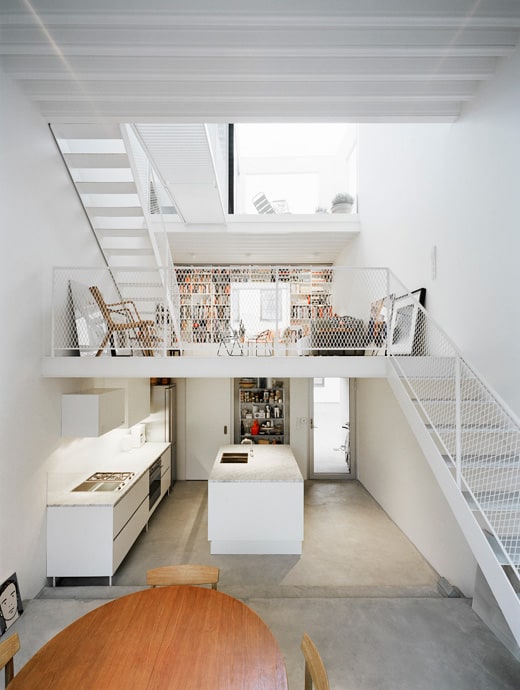
Modern house in historic setting is where things really go wrong, because ego often trumps context. The House in Vexin in France is a rare counterexample. Three historic houses are renovated in a vernacular way, and a glass-and-steel volume quietly connects them at the back. From the street, you read a historic village frontage; the modern work is tucked into the interior of the block.
This is how contemporary architecture in historic context stays respectful without becoming invisible. The plan and section do the work—light, circulation, and views are rethought—while the street keeps its calm. If your new house in an old village is screaming for attention from every angle, you didn’t “re-interpret tradition,” you just picked a fight with the neighbors for years.
Landscape is not a backdrop, it’s half the project
Architects obsess over stone joints and then throw down generic paving, token grass, and a sad row of shrubs. That’s how you kill a historic site.
Look at the Convent Saint‑Francois again. The copper volume isn’t just a box in a ruin; it works with the Corsican landscape—topography, vegetation, light. As the copper patinates, it picks up the colors of the rock and scrub, so the whole composition (old stone, new copper, hillside, sky) reads as one thing. Not building vs. backdrop.
The same applies to panoramic hillside house design in historic rural settings. If you cut a giant terrace into the slope and erase local vegetation for a “minimal” lawn, no amount of stone cladding will save you. The house might tick planning boxes, but it will sit on the land like an object, not in it.
For historic landscapes, the rules are simple: work with existing levels, keep native plant structures, and let paths, walls, and water routes continue their logic. The best insertions feel like they’ve joined a conversation that was already happening in the terrain.
How to plan an architectural insertion in a historic site
- Start with what must not move: loadbearing walls, key views, heritage features, mature trees, public paths. Pin those down before you even sketch.
- Decide your stance: internal insertion, rooftop addition, rear extension, or landscape-led move. You don’t get to do all of them at once in a sensitive site.
- Draw the old and new as separate systems: structure, circulation, services. Only then figure out where they touch. Those contact points will make or break the project.
- Pick one dominant contemporary material system—glass and steel, copper and concrete, timber and glass—and use it consistently so the new reads as one family.
- Control visibility: make street elevations and key public views your harshest critic. If the modern work dominates those, pull it back in plan or section.
- Test night-time presence: historic centers at night should not be lit like malls. Use low-glare, warm lighting and keep luminous glass boxes in check.
- Run a circulation test: if the new paths and lifts don’t make the historic parts easier to understand and use, your insertion is decorative, not functional.
Common failures and how to avoid them
Timid mimicry
Fake stone cladding, almost-matching cornices, slightly simplified columns—this is where money goes to die. These “polite” extensions never really pass as historic, and they rob the original building of clarity. If you want to preserve character, preserve the actual fabric. Let new interventions be confident enough to look new.
Random glass trophies
“Contrasting old and new architecture” has become a style cheat sheet: glass box, historic facade, job done. Projects that copy the Sonora 113 move without its logic end up parasitic. If the glass part doesn’t improve light, circulation, or usability of the old building, it’s just glued on for effect.
Ignoring regulations and technical realities
Historic sites come with strict codes, structural limits, fire separation requirements, and moisture issues. Trying to push a heavy concrete box onto fragile walls, or punching massive openings into aged masonry because “the render looks good,” is reckless.
Any serious insertion needs structural and conservation engineers in the room early. Local codes on heritage, fire, seismic upgrades, and accessibility can shut down a sketch in five minutes. Let them—better that than a half-built mess you can’t legalize.
When a strong contrast is the right answer
There are situations where a crisp, unapologetically modern volume is the only honest move:
– ruin conditions where reconstruction would be fake history
– heavily altered interiors that no longer hold valuable fabric
– industrial shells where the character lies in the envelope, not the fit‑out
– public programs (museums, schools, offices) that need clean spans and daylight
In those contexts, the Moritzburg-style glass insertion or a copper or steel box can do something pastiche never will: preserve what’s left, avoid lying about what was lost, and make the building actually work for living, working, or visiting.
FAQ: architectural insertion in historical site projects
Is it better to match historic materials or contrast them?
For serious historic buildings, clear contrast is usually safer than fake matching. Use compatible construction and fixings, but let color, texture, and detail tell you what is new. Pastiches age badly and confuse the reading of the original fabric.
Can modern houses work in historic villages?
Yes, but not as shouty objects. The smart ones hide most of their volume behind or within existing buildings, respect rooflines, and do their contemporary work in courtyards and interiors. If passers‑by mainly see the historic rhythm, you’re on the right track.
Are rooftop additions on old buildings ever acceptable?
Only when they are set back far enough to vanish from normal street views, keep their mass low, and treat the existing roofline as the star. Anything that reads like a bolt‑on crown from the square is a problem.
Bottom line
Architectural insertion in historical site work is not about being shy. It’s about being precise. Strong, contemporary forms that respect the limits of the historic fabric and integrate with the landscape will always outlast timid replicas and trophy glass boxes.
If the project makes the old building easier to understand, more useful, and more connected to its setting, then the new work deserves its place beside centuries of history. If not, it’s just noise.