


Your roof usually fades into the background until a leak, draft, or ugly patch forces you to pay attention. In Hillsboro, Oregon, that moment often comes after a stretch of rain, moss growth, or wind-driven debris. If you’re thinking about a roof upgrade, it helps to look beyond shingles alone. The smartest planning starts with how your roof performs, how long it’s likely to last, and how local weather shapes every decision you make.
Hillsboro weather creates roofing problems that don’t always look urgent.
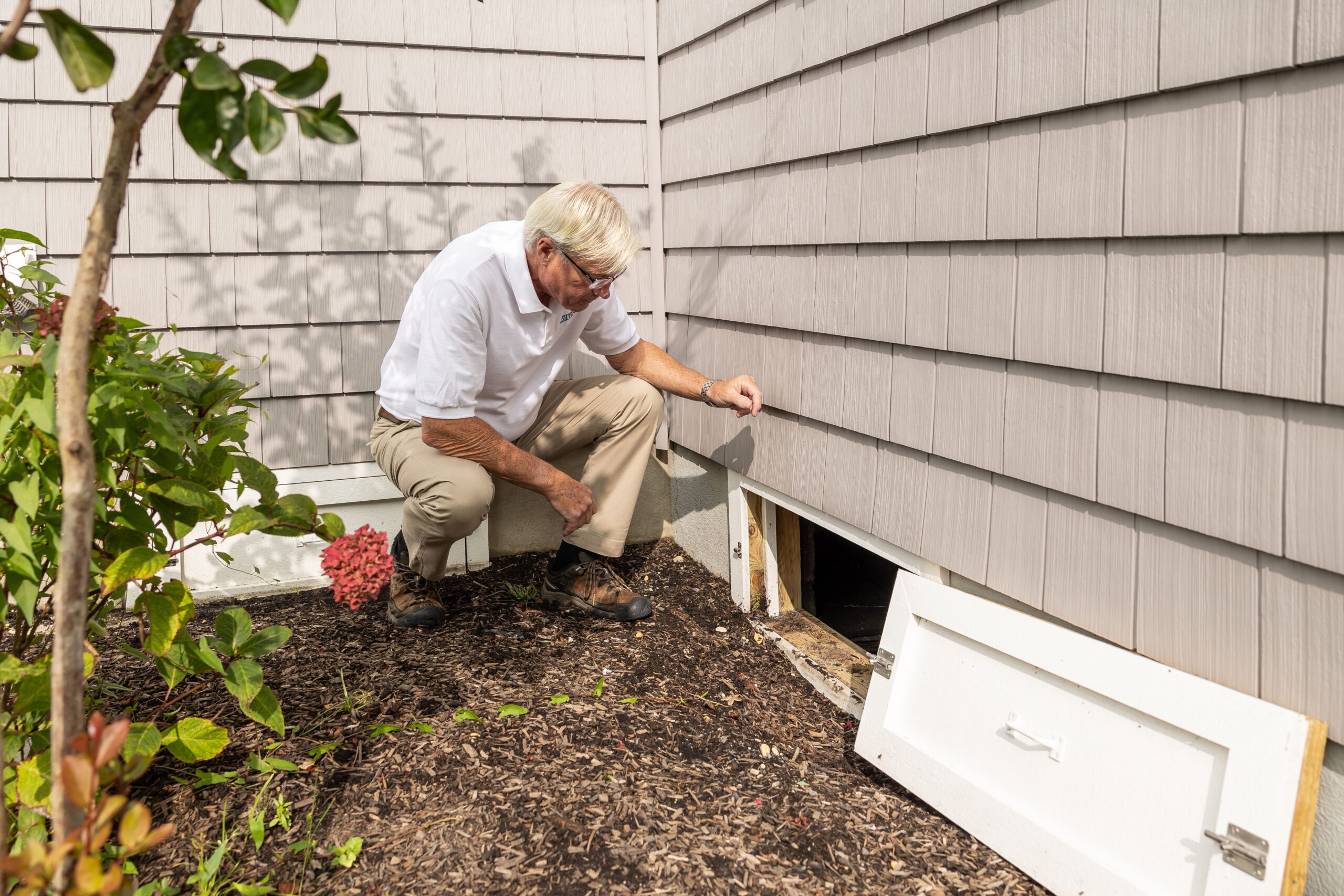
In a place like Hillsboro, roofs take repeated hits from moisture long before dramatic damage appears. Moss can build quietly near shaded sections. Wind can loosen edges without tearing off visible sections. Water can move under aging materials even when the top layer still looks decent from the street.
That’s what makes local experience important. A qualified Hillsboro roofing contractor understands how Oregon rain, tree cover, seasonal debris, and temperature swings affect material performance over time. That kind of local knowledge influences product selection, flashing details, and ventilation planning.
You’re not just buying a roof style. You’re choosing a weather management system that has to handle years of wet seasons, algae exposure, and runoff without creating hidden structural problems.
Your roof’s age matters, but its condition tells the bigger story
A roof can hit a certain age and still perform well, while a newer one can fail early from poor installation or weak ventilation. You need to look at the full system, not just the calendar. Curling shingles, missing granules, dark streaks, and recurring repairs usually signal that the assembly is wearing down.
Inside your home, subtle warning signs show up first. You might notice insulation that feels damp, a ceiling stain that grows slowly, or rooms that never seem to hold temperature. Those issues often point to compromised underlayment, flashing failure, or trapped moisture in the attic.
A proper evaluation should cover decking condition, penetration points, ridge vents, and drainage patterns. Surface appearance only gives you part of the picture.
Material choice affects maintenance, lifespan, and resale value
Plenty of homeowners start with color and cost, then realize the real difference between roofing materials shows up five or ten years later. Architectural asphalt shingles remain popular because they balance affordability, curb appeal, and durability. Metal roofing attracts attention for longevity and low maintenance, though upfront pricing is usually higher.
Composite products can offer strong visual consistency and weather resistance, especially when you want a cleaner design profile. If your neighborhood has many mature trees, impact resistance and moss resistance deserve more attention than trend appeal.
You should also think about warranty structure. Manufacturer warranties often depend on correct installation methods, approved accessories, and ventilation compliance. A cheaper bid can become expensive if corners get cut on ice-and-water shield placement, flashing replacement, or ridge vent design.
Ventilation and drainage decide whether your new roof actually performs well
A roof replacement can look excellent and still underperform if airflow and drainage are poorly designed. Ventilation affects attic temperature, moisture control, and shingle longevity. Without balanced intake and exhaust, heat and humidity can accumulate in ways that stress the roof from underneath.
Gutters matter just as much as many homeowners realize too late. If water backs up near eaves or spills close to the foundation, your roof system ends up carrying extra risk during every storm. Overflow can damage fascia boards, soffits, and siding before the leak reaches your living space.
Ask how your contractor handles valley flashing, drip edge installation, roof-to-wall transitions, and gutter tie-in points. Those details are where many failures begin. The visible field shingles often get too much attention compared with the components that actually manage water flow.
A roofing estimate should give you more than a price number
When you compare estimates, line items tell you whether a proposal is thorough or just attractive on paper. A serious roofing estimate should specify tear-off scope, disposal, decking replacement allowances, underlayment type, flashing details, ventilation upgrades, and warranty terms. If those items stay vague, surprises usually show up later.
You should also look for clear language around project sequencing. Will the crew protect landscaping? What happens if damaged decking is found? How will weather delays be handled? Good contractors explain these operational details because they affect cost control and jobsite safety.
A low bid sometimes hides reduced labor time, thinner material specifications, or minimal prep work. That can lead to callbacks, premature wear, and water intrusion around chimneys, skylights, or pipe boots where precision matters most.
Design decisions can improve curb appeal without chasing trends
A roof upgrade changes how your whole house reads from the street. The shape, color, and texture influence contrast, visual weight, and architectural coherence more than many siding or trim updates. If your home has simple lines, overly busy shingle patterns can make it look dated instead of refined.
Neutral tones usually age better, especially in the Pacific Northwest where softer exterior palettes fit the climate and natural light. You should consider how the roof interacts with brick, paint color, garage doors, and surrounding landscaping. A sample board viewed in direct sun rarely tells the whole story.
Clean rooflines also depend on accessory choices. Ridge caps, flashing color, vent placement, and gutter profiles affect the final appearance. Good design is often about reducing visual clutter while making sure every technical component still performs exactly as it should.
Timing your project well can reduce stress and protect your budget
Waiting until active leaks spread indoors usually limits your options. Emergency replacements often come with more stress, tighter scheduling, and fewer chances to compare products carefully. Planning ahead gives you room to review estimates, ask better questions, and decide whether repairs or replacement make more financial sense.
Late-stage warning signs often include repeated patch jobs, rising energy bills, soft decking underfoot, or visible sagging along roof planes. If you notice any of those, delaying the decision can expand damage into insulation, drywall, and framing.
A planned roofing project also gives you time to coordinate related work such as gutter replacement, attic insulation upgrades, or exterior painting. Bundling those decisions can improve labor efficiency and prevent rework. That approach keeps the roof from becoming an isolated fix when it really functions as part of your home’s larger building envelope.
The best roof upgrade is the one that solves future problems before they start
A good roof project doesn’t just replace worn materials. It corrects weaknesses, improves water management, and strengthens how your house handles local climate stress. You should come out of the process with fewer maintenance issues, better thermal performance, and stronger confidence every time heavy rain moves in.
That takes more than choosing a product from a brochure. It requires careful inspection, honest estimating, and installation practices that respect ventilation, flashing geometry, and drainage behavior. The strongest outcomes usually come from planning with the full system in mind.
If you treat a roof upgrade as a long-term performance decision instead of a quick cosmetic fix, you’ll make choices that hold up better, look sharper, and protect your home with far less drama over the years ahead.