


Article furniture is made for modern, mid-century-leaning rooms. Clean lines, Scandi silhouettes, decent fabrics, and sofas that actually hold up. The trap is when people click “add entire room” and end up with a house that looks like a product page.
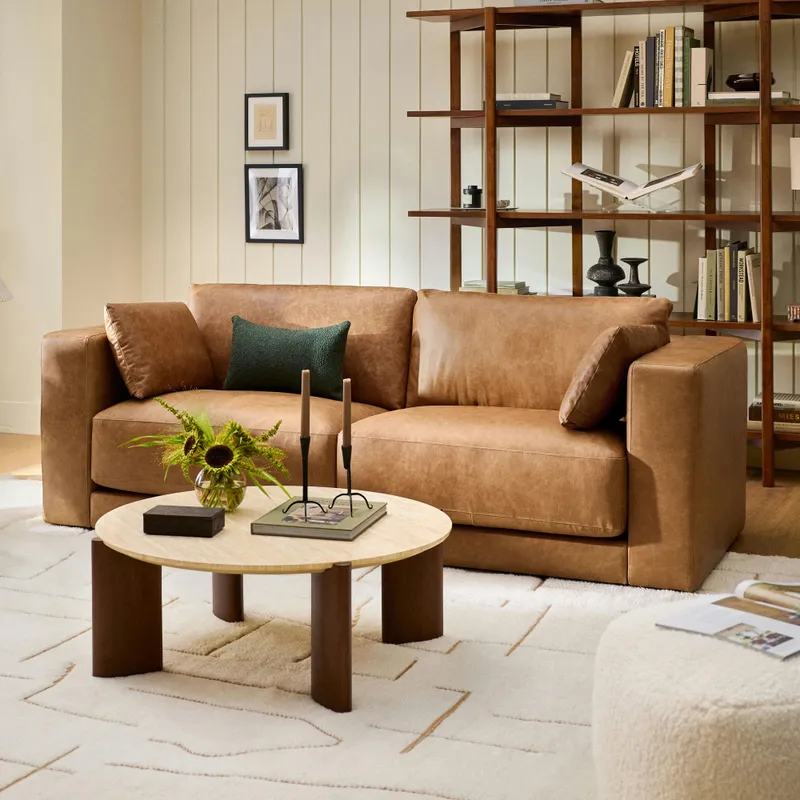
If you want a modern, collected home—not a DTC showroom—you need to treat Article as a tool, not a full identity. Use their strengths, cover their weaknesses, and mix in pieces that add age, mess, and personality.
How Good Is Article Furniture, Really?
Article furniture sits in that middle lane: more polished than big-box budget brands, cheaper than high-end designer lines. Reviews consistently praise the look and comfort, especially for sofas and seating. For the price, build quality is generally solid, and the fabrics often feel better than what you get from mass-market chains.
The tradeoff: not everything is heirloom-level. Some casegoods use MDF and veneer where buyers expected solid wood, and you’ll see mixed reports on shipping delays and customer service when something arrives damaged. This is standard for direct-to-consumer furniture brands—but you need to shop with eyes open.
The smart way to use Article is simple: lean on them for upholstered seating and core modern pieces, and stop short of turning your whole room into their catalog.
Why Article Sofas Work So Well in a Modern, Collected Home
Article sofas are the brand’s sweet spot. Reviews repeatedly call out comfort, supportive cushions, and upholstery that still looks clean after heavy daily use. Fabrics are tested for high abrasion (up to tens of thousands of rubs), which is what you want if kids, pets, or Netflix marathons are part of your life.
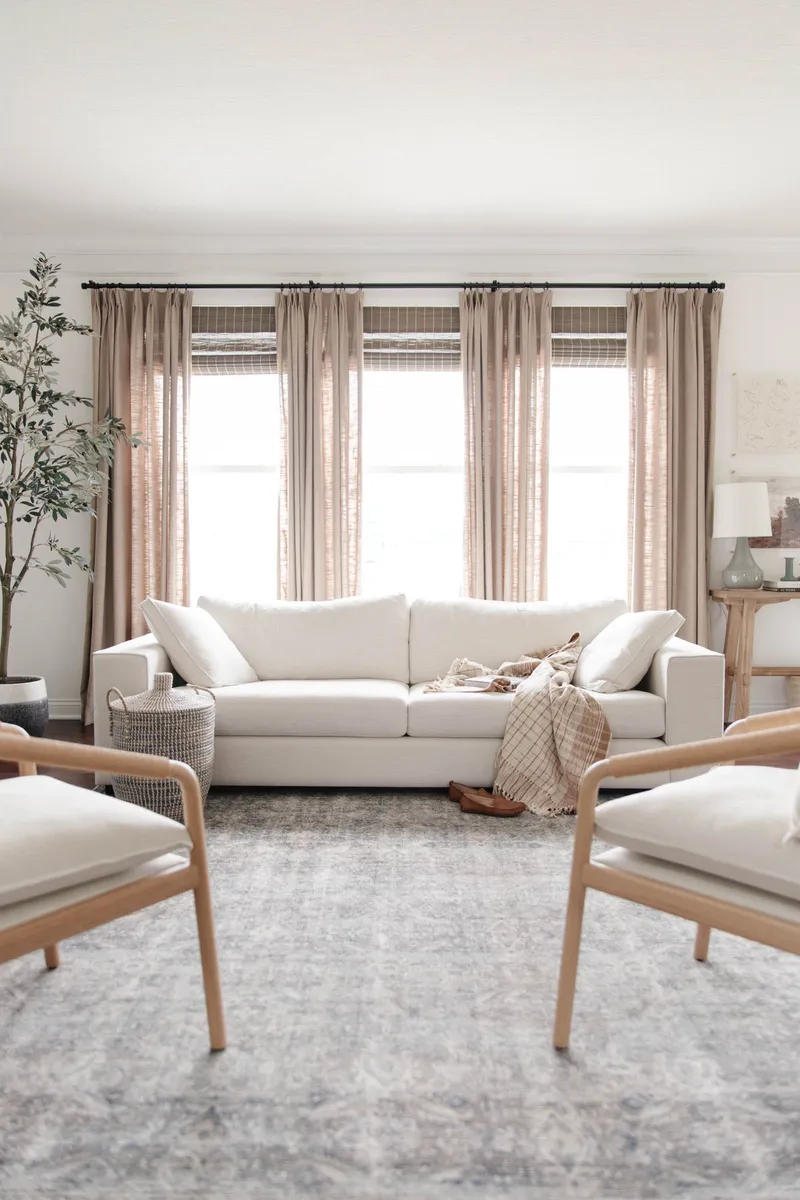
Are they the cheapest? No. They sit in that “considered purchase” zone—more than budget, less than boutique. But as a core anchor in your living room, they generally punch above their price in comfort and style. Especially compared with other modern mid-century furniture online, they manage to look sleek without feeling flimsy.
For a collected look, the sofa does the quiet heavy lifting: low, simple, modern lines that can handle layers of old, new, rough, and refined around it. That’s exactly what Article does well.
Article vs West Elm: Which Anchor Pieces Are Worth It?
If you’re debating Article vs West Elm for a modern living room, stop overthinking it: for sofas, Article tends to win. West Elm is great at style-forward product shots, but in real rooms, their sofas sag and tire out more often than they should at the price point. Article’s hold shape better and age more gracefully.

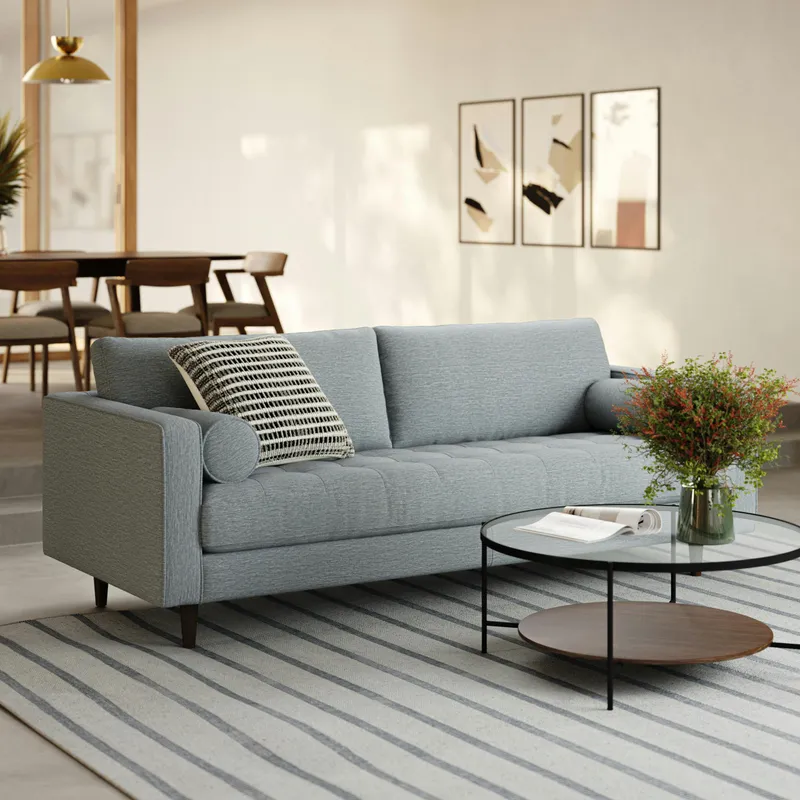
West Elm feels more like a big, established retailer; Article feels like a premium-value direct-to-consumer brand. For casegoods, both mix solid wood with veneers and MDF. Neither is a forever-furniture supplier. So use them as the supporting cast, not the star of your inheritance plan.
| Category | Article | West Elm |
|---|---|---|
| Sofas | Stronger comfort and longevity for the price; clean modern lines | Great styling online, more hit-or-miss performance long term |
| Casegoods | Good-looking, often MDF/veneer; treat as workhorses | Similar mix of materials, broader style range |
| Price feel | Premium-value DTC; splurge vs budget, deal vs luxury | Well-known retail brand with frequent promos |
| Best bet | Sofas and main seating | Accent pieces, textiles, decor |
If you’re stuck between the two, buy the Article sofa, then spend the savings on real art and good lighting. Those do far more to make your home feel collected than yet another branded side table.
How to Style Article Furniture So It Doesn’t Look Basic
Article furniture only looks generic when you let the algorithm dress the whole room. One sofa, one chair, matching coffee table, matching media console, maybe their rug—suddenly your living room looks like a “before” photo for a staging company.

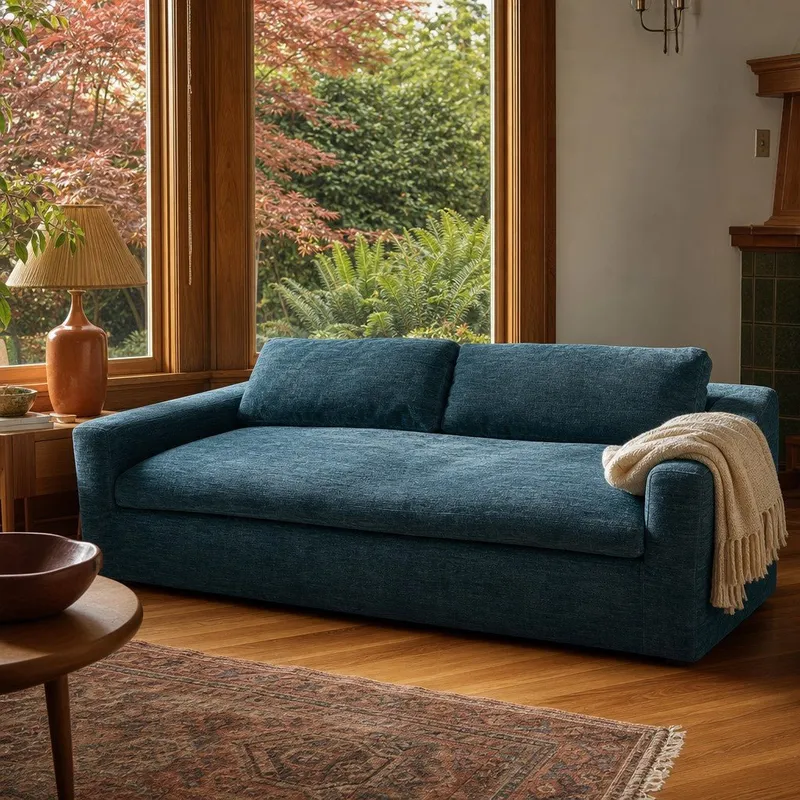
The fix is deliberate contrast. Keep the clean silhouettes from Article, then surround them with pieces that feel older, rougher, or weirder. That’s where the “collected” look comes from.
1. Start with One Strong Article Anchor
Begin with a key piece: usually an Article sofa, sectional, or armchair. Choose a simple shape in a solid color—camel, charcoal, olive, or off-white if you’re not messy. This gives you a modern baseline that won’t fight with everything else you bring in.
Article’s sofas and lounge chairs are designed to play nicely with a wide range of styles: mid-century, Scandi, boho, minimalist. That’s good. It means you can layer without visual chaos.
2. Refuse the Matchy-Matchy Room-in-a-Box
You don’t need the Article coffee table, media console, sideboard, rug, lamp, and wall art all in one go. That’s how rooms lose character. Article and other direct-to-consumer furniture brands are fantastic for seating and a few clean casegoods, not for turning your home into a branded lookbook.
If you’re tempted to buy an entire collection, stop at two pieces max. For example: sofa + accent chair, or sofa + media console. Then force yourself to shop elsewhere or vintage for everything else.
3. Add Vintage and “Imperfect” Texture
The biggest problem with modern mid-century rooms is that they slip into “hotel lobby” territory: slim legs, beige upholstery, perfect surfaces, no soul. With Article’s streamlined silhouettes, you have to push against that.
Bring in at least one beat-up wood piece—an old chest, a scratched coffee table, a thrift-store side table with dings. Add chunky pottery, woven baskets, or heavy stone objects. Stack books loosely, not in fussy color order. Let something lean instead of hanging it perfectly centered.
And yes, you need at least one ugly-but-sentimental object out in the open. The weird souvenir, the lopsided ceramics from a class, the handed-down lamp. That’s what makes the modern furniture feel like it lives with humans, not stylists.
Using Article Casegoods Without Expecting Heirlooms
Article dressers, sideboards, and media consoles look great in photos and usually show up looking just as good in person. But no, they’re not generational pieces. Some lines incorporate MDF wrapped in veneer, which is standard at this price but not something you should overload or baby as if it’s museum-grade solid oak.
The right mindset: these are good-looking workhorses. They give you modern lines, closed storage, and a clean backdrop for styling. They are not the stars of the show, and they shouldn’t have to be.
If you’re precious about every nick, you’ll be frustrated. Veneers and MDF will show life faster than solid wood, especially at corners and edges. Plan for it and style with intention rather than fighting it.
Practical Styling Checklist for a Modern, Collected Room with Article Furniture
- Pick one Article anchor (sofa or chair) in a simple, modern silhouette and a versatile solid color.
- Limit yourself to one additional Article piece (media console, coffee table, or sideboard) max in the same room.
- Add at least two non-Article pieces with age or texture: vintage wood, metal, or stone.
- Layer textiles that aren’t from the same brand: wool or jute rug, linen or cotton throw, mixed pillow patterns.
- Use trays and textiles on casegoods to protect veneer and break up large flat surfaces.
- Bring in “visual noise”: stacks of real books, a plant that might overgrow a bit, a not-perfectly-centered lamp.
- Finish with one odd, personal object in plain sight so the room reads like your life, not a catalog.

Protecting and Styling Article’s MDF and Veneer Pieces
If you accept that these aren’t forever pieces, you can style them more aggressively and get a lot more out of them. Think of them as backgrounds for your real personality pieces.
Use trays under plants, candles, or bar setups to avoid rings and stains. Place heavier objects (ceramic lamps, big vases) closer to the legs or sides, not dead center, so you’re not stressing the thinnest part of the top panel. Keep drawers reasonably loaded, not jammed with books or records that weigh a ton.
The goal: make the overall vignette look rich and layered, even if the base piece is doing quiet, affordable work.
Direct-to-Consumer Furniture Brands and the “Collected” Trap
Article fits neatly into the direct-to-consumer furniture brands landscape: online, fewer middlemen, nicer design than budget stores. The upside is obvious—more style per dollar. The downside is that it’s extremely easy to overdo it and end up with “algorithm taste.”

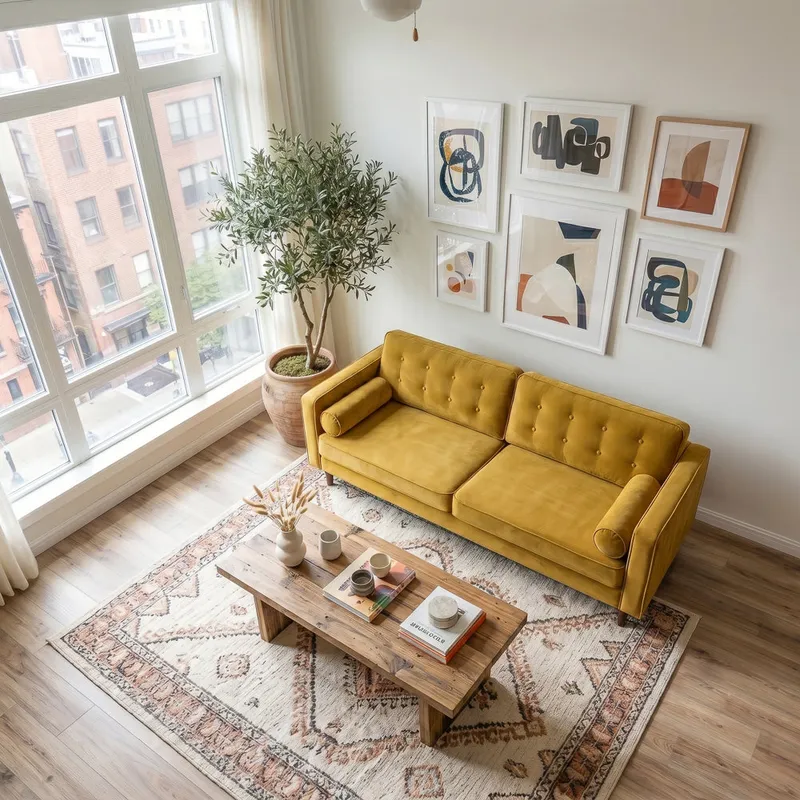
DTC brands are fantastic for anchoring rooms with sofas and a few strong basics. They are terrible as one-stop lifestyle packages. Your home shouldn’t look like one brand’s Instagram grid. Mix in thrifted finds, hand-me-downs, local makers, and even the occasional flat-pack piece that does its job and disappears visually.
If your cart is 100% one brand, that’s your warning sign. Close the tab and go hunt for something with actual life in it.
Mini FAQ: Article Furniture in a Real Home
Is Article furniture good quality for the price?
For seating, yes—Article sofa quality is one of the best in its category, with strong reviews on comfort and durability. For casegoods, quality is “good for the price” but not heirloom-level. Treat them as stylish, mid-range workhorses, not antiques-in-training.
Will an all-Article room look basic?
Almost always. Article furniture is designed to be clean and cohesive, which is deadly when everything comes from the same collection. Buy the Article anchor pieces, then deliberately mix in vintage, handmade, and off-brand items so your rooms feel collected, not pre-packed.
Is Article better than West Elm for modern mid-century furniture online?
For sofas and main seating, Article usually wins on comfort and long-term feel. West Elm offers more breadth and in-store access, but online-only Article often delivers better value where it counts: the pieces you sit on every day.
The bottom line: Article furniture is a strong tool for building a modern, collected home—as long as you don’t let it run the whole show. Buy the sofa, style the life out of it, and let your weird, wonky, sentimental pieces do the rest.