


Choosing the right stone sealant is less about finding the strongest product and more about matching the sealer to the stone, finish, room, and expected wear. A marble vanity does not need the same treatment as a porous limestone floor. Using the wrong formula can leave a patchy sheen, trap moisture, or create a false sense of protection.
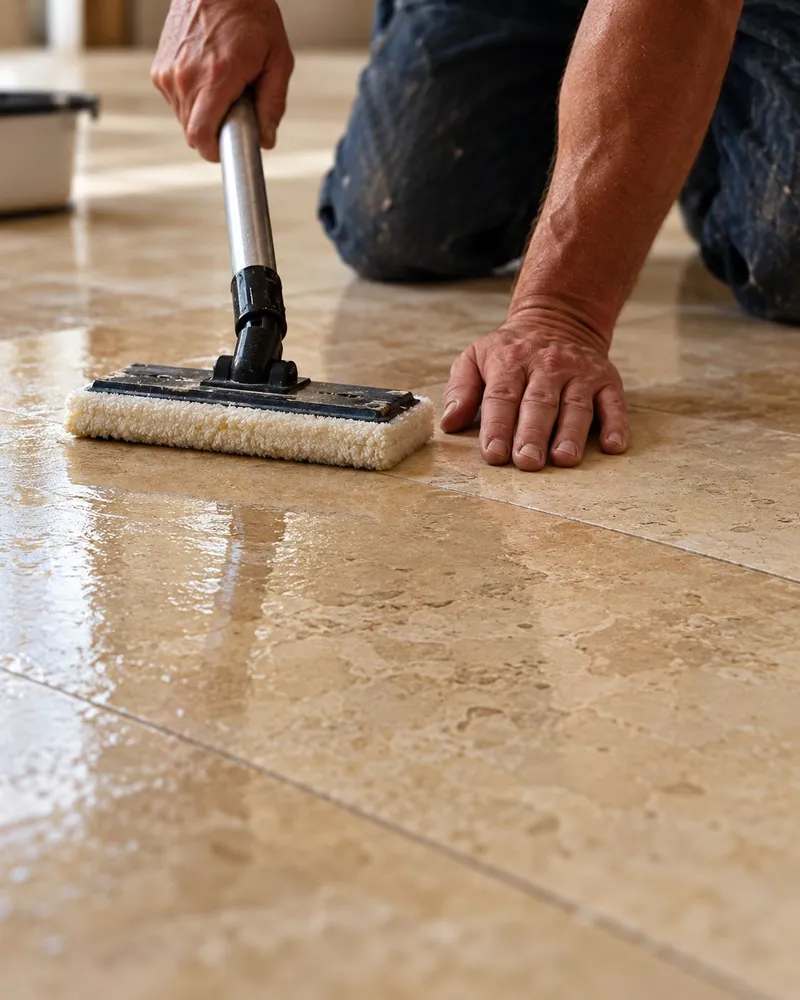
For most interior projects, I trust a low-VOC, water-based penetrating sealer as the starting point. It protects porous stone without laying a visible film over the surface, and it avoids bringing unnecessary fumes into an occupied kitchen or bathroom. The exceptions are deliberate finish changes, such as color enhancement or added sheen.
There is one important correction to the usual sales language: a sealer does not make natural stone waterproof. It gives spills more time to be wiped up. Marble can still etch from lemon juice, wine, vinegar, and other acids even after sealing.
How stone sealant works on natural stone
Penetrating sealers soak into the pores of stone and grout, where they reduce the rate at which oil, grease, and water-based spills enter the material. They do not usually create a thick surface coating. That distinction matters because natural stone needs to retain its original texture and visual depth.

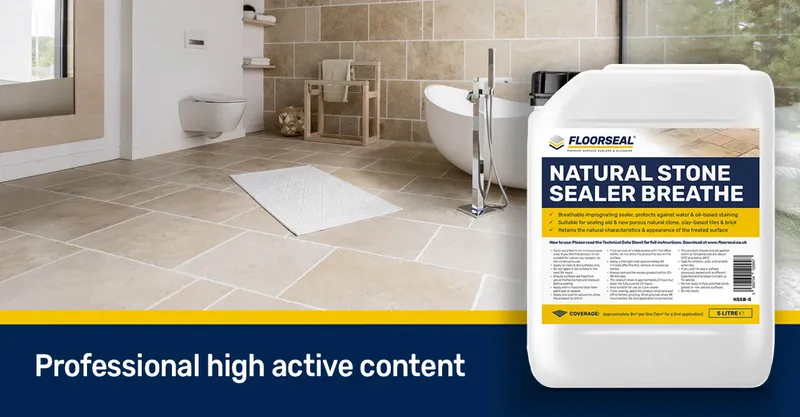
Marble, limestone, travertine, and some quartzites vary widely in porosity. A polished marble slab may absorb very little, while honed limestone can take in a spill quickly. The same bottle cannot perform identically on both surfaces, regardless of how impressive the label sounds.
Film-forming sealers sit on top of the stone instead. They can create a matte, satin, or glossy appearance, but they also change the surface character and may wear unevenly in high-use areas. On a kitchen island, that uneven wear becomes obvious. A beautiful natural finish can start looking coated, shiny, and difficult to maintain.
My default: low-VOC, water-based penetrating sealer
For interior stone, water-based penetrating stone sealant is the default I trust. These products generally have lower odor than solvent-heavy alternatives and fit occupied homes, kitchens, bathrooms, and commercial interiors where ventilation may be limited.

Water-based does not automatically mean weak. Premium formulas can provide strong stain resistance when the product matches the stone and the installer follows the application instructions. STONETECH BulletProof is a premium example aimed at porous natural stone, tile, masonry, and grout. It is positioned for countertops, backsplashes, kitchen surfaces, and bathroom vanities.
TileLab SurfaceGard Stone, Grout & Tile Sealer takes a similar approach for projects where preserving the natural appearance matters. Its water-based, low-odor formula is designed for marble and other stone surfaces and is intended to make routine cleanup easier without adding a visible finish.
For low-VOC interiors, that is the sensible baseline: invisible or near-invisible protection, low odor, and a clear compatibility statement for the actual stone. Do not buy based on the words premium, natural, or professional alone. Read the approved-material list.
Water-based vs solvent-based stone sealer
The difference is the carrier. Water-based products use water to carry the active ingredients into the stone, while solvent-based products use solvent carriers. Both types can protect natural stone, but the indoor working conditions and product instructions matter more than the category name.

For kitchens and baths in occupied homes, water-based formulas are the better default. They usually produce less odor and fit projects where residents, pets, and other trades remain nearby. That makes them easier to specify for renovations with tight schedules and limited ventilation.
Solvent-based sealers can still perform well, especially where a particular stone or application calls for one. But I refuse to introduce unnecessary fumes into an occupied kitchen or bathroom when a low-odor product is suitable. The installer must follow the label for ventilation, curing time, protective equipment, and re-entry.
| Sealer type | Best use | Main advantage | Main drawback |
|---|---|---|---|
| Water-based penetrating | Most interior marble, limestone, travertine, and porous stone | Low odor and minimal visual change | Requires careful surface compatibility checks |
| Solvent-based penetrating | Applications where the specified product requires a solvent carrier | Can provide strong penetration and stain resistance | More odor and stricter ventilation requirements |
| Color-enhancing sealer | Dull, honed, or porous stone where richer color is intentional | Deepens the appearance of the stone | Can look patchy or overworked if applied unevenly |
| Gloss or film-forming sealer | Projects that deliberately require a coated finish | Changes sheen and can add surface character | May look plastic and wear unevenly |
Stone sealant for marble countertops
Marble countertops need penetrating protection, not a shiny film pretending to be armor. A suitable sealer can slow the absorption of oil, coffee, cooking grease, and colored liquids. It cannot stop acid etching, scratches, chips, or heat damage.

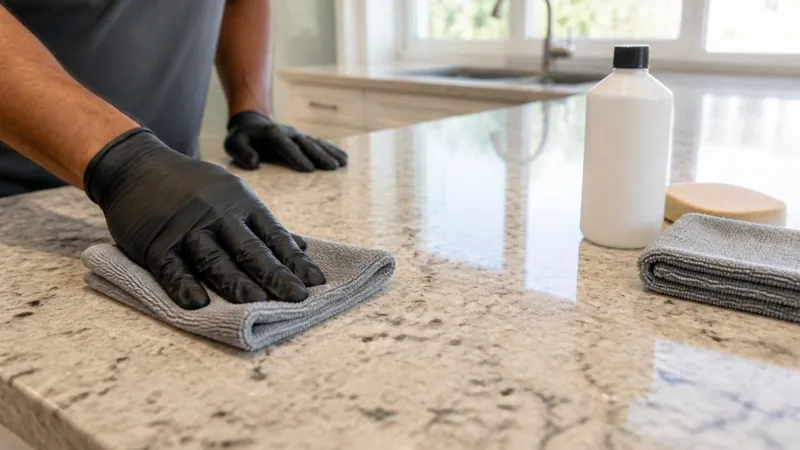
For most marble countertops, select a water-based, low-VOC penetrating sealer approved for marble. STONETECH BulletProof and TileLab SurfaceGard are practical general choices from the supplied shortlist. They are aimed at natural-looking protection rather than a dramatic change in sheen.
Polished marble needs extra care. Polishing closes much of the stone’s surface and can reduce absorption, so the sealer must be appropriate for polished material. StoneSpecific Polished Marble, Travertine & Limestone Sealer is tailored to polished stone and is positioned as a low-VOC, low-odor, water-based option.
Do not assume that more product means more protection. Excess sealer left on the surface can dry into haze, streaks, or a sticky residue. A test patch in an inconspicuous area is mandatory, especially on dark marble, highly polished slabs, and stone with strong veining.
Best stone sealant for kitchen and bath design
The right specification changes by room. Kitchens expose stone to oil, grease, acidic food, pigments, and constant wiping. Bathrooms bring water, cosmetics, shampoo, and cleaning chemicals. A product marketed only for water repellency is not enough for either setting.
For a demanding kitchen or bathroom, STONETECH BulletProof is the strongest premium all-rounder in this shortlist. It is intended for porous stone and high-use areas, with a focus on stain protection and interior applications. That makes it a sensible specification for countertops, backsplashes, and vanities when the stone is compatible.
TileLab SurfaceGard is the more straightforward choice when the priority is invisible protection and a natural appearance. It suits designers who do not want to alter the stone’s tone or sheen and who need a low-odor product for an indoor installation.
RainGuard Stone Sealer stands out when zero-VOC positioning and an invisible finish are the main requirements. It is intended for porous stone and indoor or outdoor use. That does not make it universally better; it makes it compelling for projects where air quality and minimal visual change lead the specification.
When color-enhancing and gloss sealers make sense
Color-enhancing sealers have a narrow but legitimate role. They can make dull travertine, honed limestone, or faded-looking porous stone appear deeper and richer. Use one only when that visual change is part of the design brief.
For most refined interiors, I would not use one. Color enhancers can darken stone unevenly, highlight inconsistent absorption, and create a patchy finish that becomes more obvious under strong daylight. The stone may look impressive on installation day and overworked six months later.
Gloss sealers are even more prone to looking dated. They can make natural stone resemble coated tile, and wear patterns show quickly on counters, floors, and vanity fronts. Preserve the original finish unless the project specifically calls for a coated surface and the maintenance plan supports it.
How often to seal natural stone
There is no reliable universal calendar for resealing. The correct interval depends on the stone’s porosity, the quality of the original application, cleaning products, traffic, and exposure to oil or water. A heavily used kitchen island will need closer attention than a lightly used bathroom shelf.
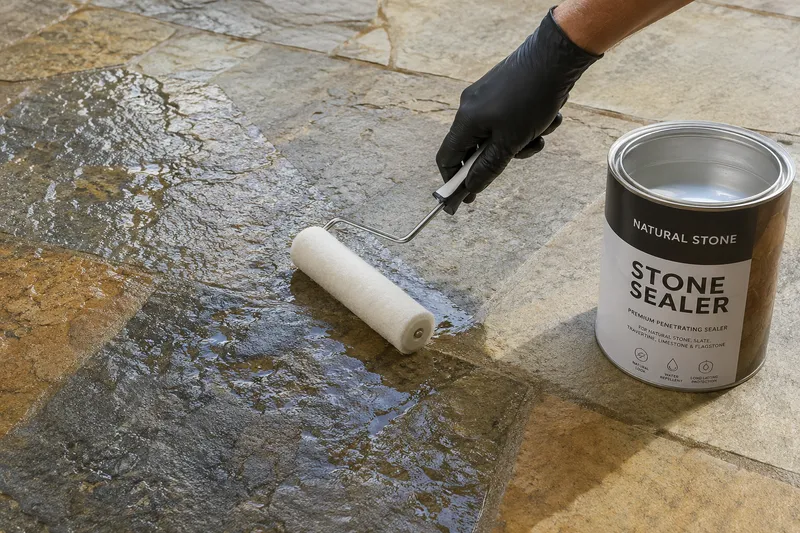
I do not reseal natural stone by calendar reminder alone. Test it with clean water in an inconspicuous area. If the surface stops beading and begins darkening quickly, the protection is weakening. That test is more useful than a generic promise that the sealer lasts a set number of years.
Before resealing, clean the stone thoroughly and allow it to dry. Do not seal over grease, soap residue, construction dust, or moisture trapped in the stone. If the surface has an existing coating, confirm that the new product is compatible before applying it.
- Identify the stone and finish: marble, limestone, travertine, quartzite, polished, honed, brushed, or textured.
- Check the label for approved materials, interior use, stain protection, VOC information, and finish effect.
- Test the product on a hidden area and wait through the stated cure period before judging the result.
- Apply only as directed, remove excess from the surface, and allow the full cure time before exposing the stone to water or food.
- Repeat the water test after curing and record the product used for future maintenance.
Common specification mistakes
The first mistake is treating “invisible” as a universal claim. A sealer that behaves well on porous honed limestone may be unnecessary or unsuitable for polished marble. Compatibility comes before brand reputation.
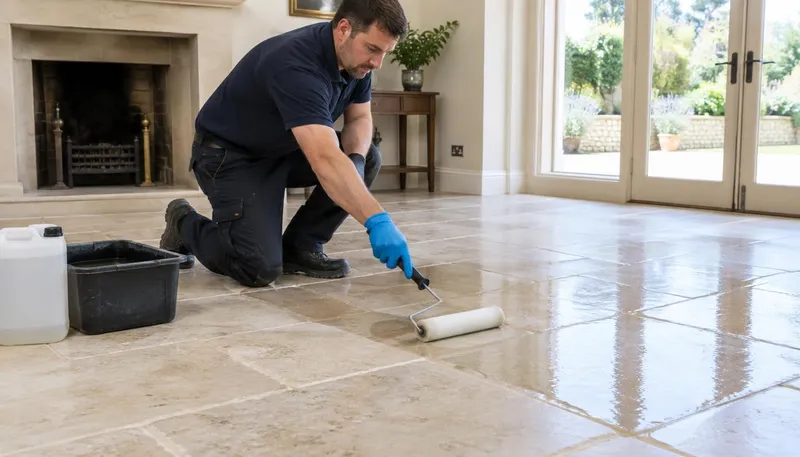
The second is promising waterproofing. That language creates angry clients because it implies protection from every type of damage. Explain the real benefit: the sealer slows absorption and buys time for spill removal. It does not prevent etching from acids or eliminate maintenance.
The third is choosing gloss because the sample looked richer. Gloss can conceal the natural finish that justified buying stone in the first place. If a project needs more color, specify an enhancer deliberately. Do not use sheen as a substitute for proper cleaning, honing, or restoration.
Finally, never skip the test patch. Stone varies even within one slab. A sample can reveal darkening, streaks, residue, or an unwanted change in sheen before the product reaches a visible countertop.
Final buying recommendation
For most interior stone, choose a low-VOC, water-based penetrating stone sealant that is explicitly approved for the material and finish. That is the safest starting point for natural-looking protection in kitchens, bathrooms, and occupied homes.
Choose STONETECH BulletProof for a premium, demanding kitchen or bath application where broad stain protection is the priority. Choose TileLab SurfaceGard when preserving the original look and keeping odor low matter most. Choose StoneSpecific for polished marble, travertine, and limestone. Choose RainGuard when an invisible, zero-VOC finish is the leading requirement.
Those recommendations are only valid when the product matches the stone. Local ventilation rules, manufacturer instructions, and installer requirements still control the job. For large slabs, unfamiliar stone, moisture-sensitive installations, or existing coatings, have the installer test and approve the specification before full application.