


Sculptural aromatherapy diffusers sit in a strange place between décor and appliance. When they’re good, they look like a ceramic object and quietly make a room smell expensive. When they’re bad, they’re just cute humidifiers in a fancy shell that barely scent a 6-foot radius.
This is where the design world keeps getting burned: paying $120 for a pretty form wrapped around $30 hardware.
Let’s sort out which sculptural aromatherapy diffusers deserve a place in a modern interior—and when you should absolutely stop paying for looks and start paying for performance.
What counts as a sculptural aromatherapy diffuser?
We’re talking about diffusers that are design-led first, appliance second. They’re meant to read as ceramic, stone, glass, or a minimalist object on a shelf—not a gadget. Typical examples:


• Matte ceramic “stone” domes like the Vitruvi-type designs
• Gem-like cordless objects such as Saje Aroma (Be) Free
• Dome or tower-shaped cold-air nebulizers with aluminum or ceramic bodies
• Commercial scent towers in showrooms and hotel lobbies
Most fall into two technical camps:
Ultrasonic sculptural diffusers use water + a few drops of oil to make a cool mist. Quiet, soft scent, light humidification. Best for small and medium rooms.
Nebulizing sculptural diffusers use pressurized air to atomize pure oil. No water, no heat, stronger fragrance, higher oil use. Better for open-plan rooms and hospitality.
If all you want is a light bedtime ritual, ultrasonic is fine. If you want your home or hotel to actually smell like something beyond a two-meter bubble, you’re in nebulizer territory.
Sculptural aromatherapy diffusers vs standard ultrasonics
Under the shell, many sculptural ultrasonics are the same basic machine as the plastic pod you can buy for under $50. You’re mostly paying for materials and form.

| Feature | Sculptural ultrasonic | Standard ultrasonic | Sculptural nebulizer |
|---|---|---|---|
| Look | Stone, ceramic, glass; minimal branding | Plastic appliance; visible buttons | Ceramic/metal bodies; object-like forms |
| Fragrance strength | Mild–moderate | Mild–moderate | Strong, room-filling |
| Uses water | Yes | Yes | No |
| Humidifies | A little | A little | No |
| Cleaning | Regular tank cleaning | Regular tank cleaning | Oil path and atomizer cleaning |
| Noise | Very quiet | Quiet to moderate | Audible pump on some models |
| Oil use | Low | Low | High (pure oil) |
| Typical price | ~$50–$150 | Often under $50 | ~$100–$250+ (residential) |
| Where they work | Bedrooms, small living rooms, styled shelves | Budget aromatherapy, kids’ rooms | Open-plan rooms, design-led homes, hospitality |
So: sculptural ultrasonic vs standard ultrasonic is mostly a question of aesthetics. Sculptural nebulizer vs ultrasonic is performance versus vibe. Those are very different decisions.
When a sculptural ultrasonic diffuser actually makes sense
I’ll be blunt: a lot of “designer” diffusers are décor with a mist function. They look good on Instagram, disappoint in real life, and end up shoved in a cupboard.

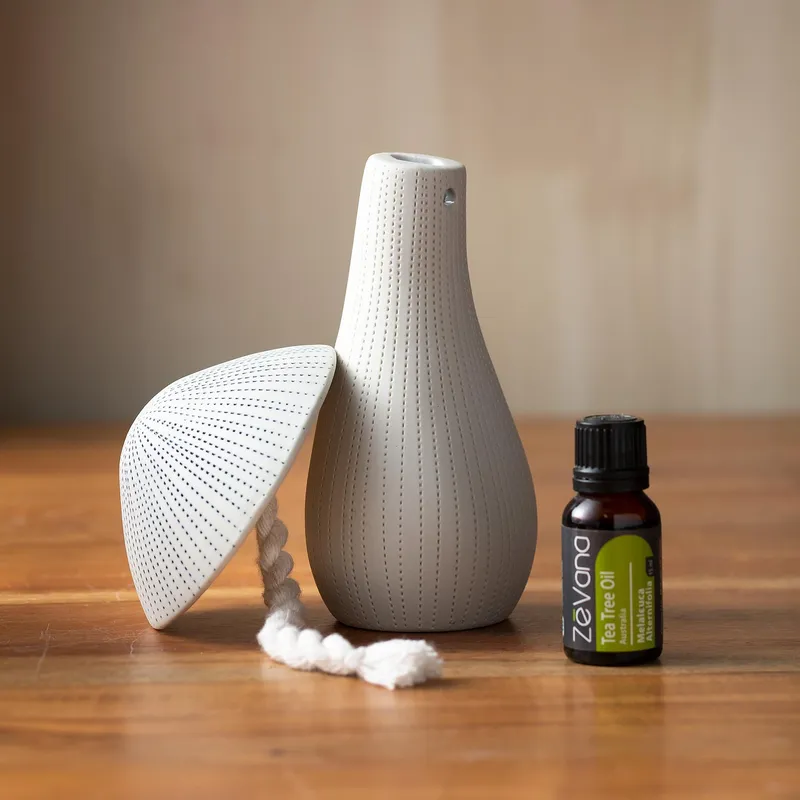
There are exceptions that earn their place.
Vitruvi-style stone diffusers are strong picks for modern interiors where the room is small and the look matters more than brute strength. The matte ceramic shell, restrained palette, and low-key profile sit quietly on a bedside table or console instead of shouting “appliance.” For a bedroom, small office, or snug living room, that trade—slightly weaker scent for a beautiful object—is reasonable.
Cordless sculptural units like the Saje Aroma (Be) Free make sense when you care about how a shelf or console actually looks. A dangling black cord will destroy 90% of the sculptural effect. If you’re putting the diffuser on a sightline shelf, it needs to be cordless, or it needs to be tucked somewhere a cord won’t show. Period.
Where sculptural ultrasonics fail is in open-plan living rooms, big kitchens, and anything with vaulted ceilings. They cannot fight air volume and ventilation, no matter how pretty the ceramic dome is. If you want the house to smell like a boutique, not just the coffee table, you’re in the wrong category.
Nebulizing sculptural diffusers: for people who care about fragrance
If scent is a priority rather than an afterthought, you need cold-air nebulizing hardware dressed in a body you’re happy to look at.

Models in this camp use pure oil. No water, no heat. That does three things:
• Scent is noticeably stronger and travels further
• Humidity doesn’t change
• Oil consumption (and cost) goes up
Design-focused options include compact dome forms like the AromaTech AromaDream, more overtly sculptural ceramic bodies like the AromaTech Ambience, and aluminum-bodied towers with Bluetooth control such as the Aromini BT. Organic Aromas’ Raindrop-style glass-and-wood pieces are another take, more artisanal and less tech-forward.
These are the diffusers I spec when a client says, “I want the whole downstairs to smell like X.” Ultrasonics are essentially pretty little steamers—fine next to a bed, useless against a 1,000 sq. ft. living-dining area. A nebulizer with adjustable intensity is the only serious option if you actually care about fragrance, not just vibes.
The trade-offs are clear:
• Higher upfront cost
• Louder (you’ll hear the pump in a silent room)
• More demanding on maintenance (oil paths need real cleaning)
• Oils get expensive when you’re not diluting them in water
In a bedroom, I still lean ultrasonic for silence. In main living areas and hospitality, nebulizers win every time.
Best sculptural aromatherapy diffusers for modern interiors
Filter the category this way and the “best” options are not the cutest; they’re the ones that hold their own as both object and tool.
For small, design-conscious rooms
Matte ceramic ultrasonics like the Vitruvi-style stone diffuser earn their place next to art books and vases. You get quiet operation, enough scent for about a bedroom-sized room, and a silhouette that doesn’t fight with your décor. Just be honest: these are for rooms roughly in the 150–250 sq. ft. range, not a loft.
For flexible styling without visible cords
Cordless sculptural units such as Saje Aroma (Be) Free solve the “beautiful object, ugly cord” problem on open shelving and consoles. You do pay for the battery and the styling, and coverage will be modest, but they work where wiring a plug behind a shelf isn’t an option.
For a home that actually smells like a boutique
Nebulizing domes or towers like AromaTech’s AromaDream and Ambience sit in the sweet spot: visually intentional, technically capable. They’re the right answer for open-plan living rooms, large entries, and media rooms where you want scent you can notice from the door, not just when you lean over the coffee table.
For large rooms and smart control
Aluminum-bodied nebulizers with app control (Aromini BT territory) are basically residential-grade scent systems disguised as sculptural objects. Coverage around 1,000 sq. ft. and 24-hour operation make them logical in big houses and higher-end apartments.
Sculptural aromatherapy diffuser price tiers (and what you really get)
The price spread is wide, but the meaningful breakpoints are clear.


Under $50: budget basics
This is standard ultrasonic territory. Plastic shells, obvious branding, rainbow lights, and functional but forgettable design.
You get:
- Decent diffusion for a small room and low oil use
- Plastic bodies that fight your styling instead of blending in
- Shorter life spans and iffy build quality
- Lighting effects that often look cheap in a modern interior
If you’re testing whether you’ll use a diffuser at all, fine. If you care about a modern interior, this tier almost always looks wrong on a well-styled shelf.
$80–$150: the real “design object” sweet spot
This is where best sculptural aromatherapy diffusers for modern interiors live. Expect:
• Ceramic or stone-like shells
• Muted, adult colors
• Minimal or hidden branding
• Acceptable coverage for small to medium rooms
• Entry-level nebulizers at the upper end
This is also where you must separate honest design upgrades from ceramic hats on basic hardware. If performance specs (tank size, run time, coverage) look identical to a $35 unit, you’re paying for the shell. That can still be worth it—but only if the room is small enough that modest output isn’t a problem.
Here you’re paying for one or more of:
• Stronger nebulizing hardware
• App and Bluetooth control
>• Larger coverage (up to ~1,000 sq. ft.)
>• Higher-grade finishes and more sculptural forms
This bracket makes sense in two cases: you run the diffuser often in larger rooms, or you value fragrance intensity and control as much as furniture. Paying $200+ for a diffuser that lives in a 120 sq. ft. guest room and runs twice a month? That’s not smart money.
$300–$1,000+: commercial and hospitality towers
At this level you’re out of lifestyle product land and into systems. Cold-air towers, wall units, and HVAC-integrated machines cover 1,000–11,000 sq. ft. on paper, often with programmable schedules and remote control.
The hardware sticker price is only the visible tip. Oils in this category run into hundreds per litre, and refills, servicing, and any HVAC work can dwarf the device over time.
Custom sculptural diffusers for boutique hotels: where the money should go
This topic attracts more bad decisions than almost anything else in scent design.
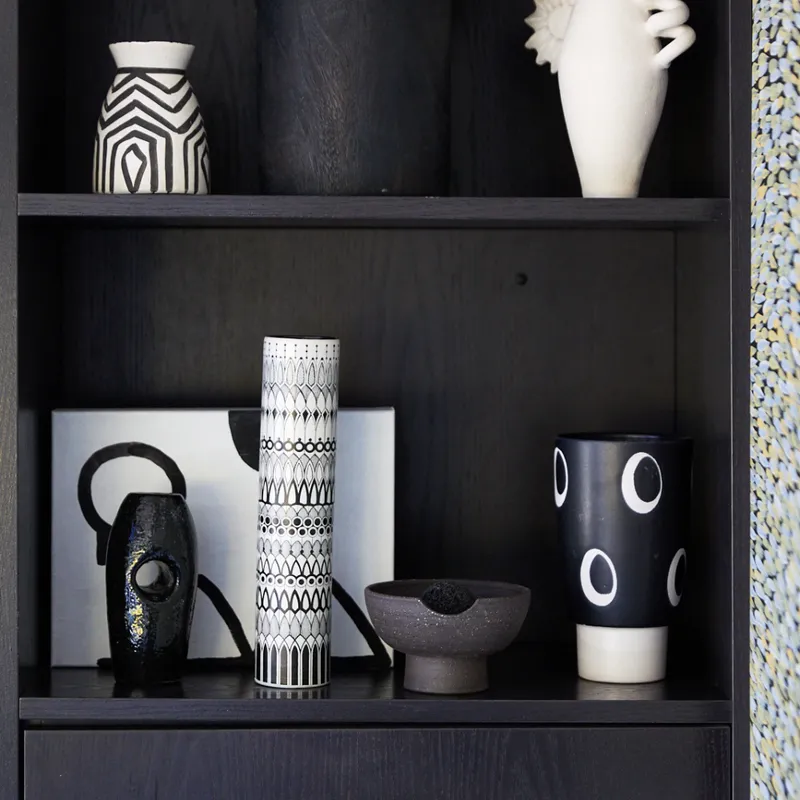
Putting a $200 ceramic sculptural aromatherapy diffuser in every hotel room looks smart on the mood board and fails in real life. Housekeeping does not have time to refill 100 ml tanks in 80 rooms every day. Ceramics chip. Buttons break. Within a year, most of these objects are unplugged, empty, and quietly pushed into corners.
The smarter split:
• Guest rooms: if you scent them at all, do it lightly and with low-maintenance hardware, or skip it and invest in great linens and cleaning instead.
• Public areas: put the scent budget into centralized cold-air systems—either a tower in the lobby or HVAC-connected units. One well-specified tower will do more for the brand experience than twenty sculptural diffusers cluttering nightstands.
For hotels obsessed with brand objects, the financially sane route is custom exterior shells over proven commercial internals. That means you design the visible body and maybe the interface, but the pump, atomizer, and control logic are off-the-shelf.
Fully bespoke mechanical diffusers—new pumps, new internals, new certification—are almost always ego projects. Tooling, testing, breakage, and maintenance kill the ROI unless you’re rolling out hundreds or thousands of units across properties and using them as a core brand symbol.
Real-world pain points to avoid
Across projects, the complaints repeat:
• Not enough scent in open-plan rooms (ultrasonics used where only nebulizers will cope)
• Small tanks that need constant refilling
• Gunky, neglected water reservoirs and moldy smells
• Oil spend shock with powerful nebulizers
• Pump noise in otherwise quiet bedrooms
• Overly bright indicator lights with no way to turn them off
• Chipped ceramic or cracked glass during cleaning
• Inflated coverage claims that ignore high ceilings and ventilation
• Proprietary oil cartridges that lock you into expensive refills
If a diffuser is mainly for show and occasional use, you can live with some of this. If scent is part of your daily life or brand identity, you can’t.
Quick decision guide: design icon or budget basic?
Ask yourself these questions before you buy:
• What’s more important: look or reach? For a small bedroom or study, a beautiful sculptural ultrasonic is fine. For a big living room, you need a nebulizer.
• Where will it sit? On a visible shelf with no way to hide a cord? Then it must be cordless or genuinely ornamental. On a sideboard with an outlet behind it? Corded is fine.
• How often will it run? Daily use in large rooms justifies premium nebulizers and higher oil costs. Once-a-week “spa night” doesn’t.
• Do you care about humidity? If you want both scent and a tiny humidity boost, ultrasonic is the only one that does that. If humidity doesn’t matter, nebulizing wins on fragrance.
Mini FAQ
Are sculptural aromatherapy diffusers worth the higher price?
They’re worth it when the diffuser lives in a highly visible spot in a small or medium room and you care about how the room photographs and feels. In that situation, paying for ceramic, color, and minimal branding is sane. Paying double or triple just to hide mediocre diffusion in a huge room is not.
What’s better for a large open-plan living room: sculptural aromatherapy diffuser vs standard ultrasonic diffuser?
Neither, if they’re ultrasonic. For large open rooms, you need a sculptural nebulizer or a small commercial cold-air system. Standard ultrasonics, sculptural or not, are built for localized scent, not whole-floor coverage.
How much do custom sculptural aromatherapy diffusers cost for boutique hotels?
Branding and simple shell tweaks are the lower-cost end and mainly about minimum order quantities and tooling. Once you start changing internals or doing fully bespoke hardware, you’re into serious engineering budgets plus certification, spare parts, and ongoing maintenance. For most boutique hotels, branded shells over proven commercial units are the only approach that makes long-term sense.
Bottom line: if a sculptural aromatherapy diffuser can’t actually scent the room you plan to use it in, it’s décor, not a diffuser. Buy it as décor or buy something with the power to match your expectations—but don’t confuse the two.