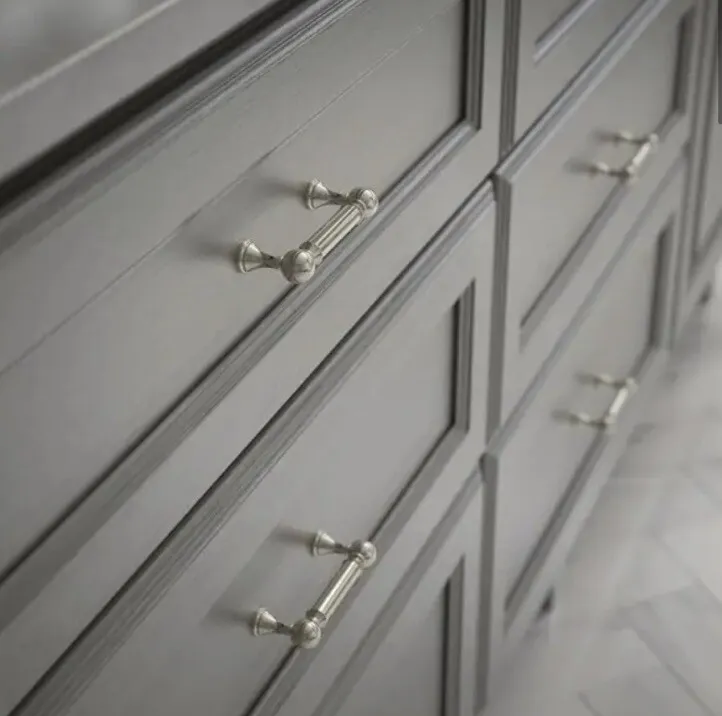
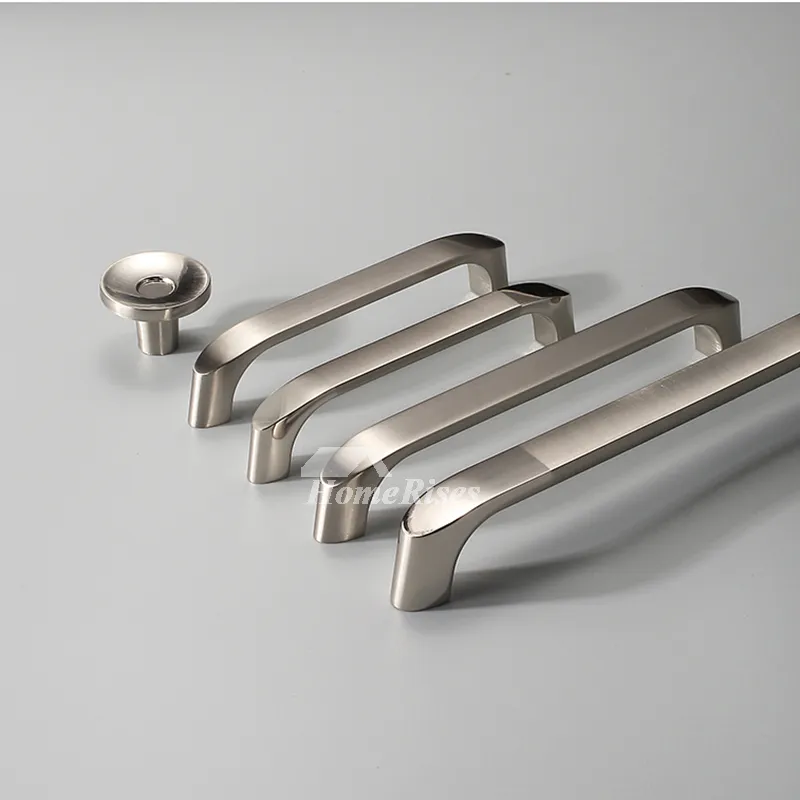
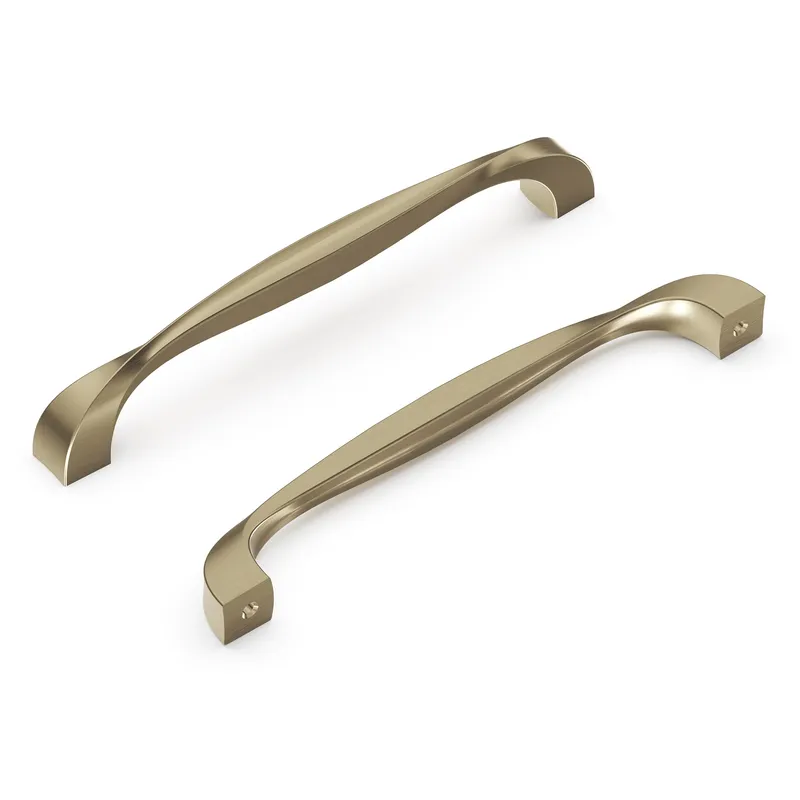
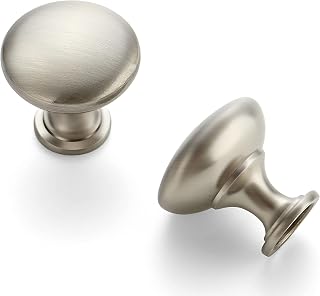
You’re standing in the cabinet aisle staring at an entire wall of “nickel kitchen cabinet pulls” that all look… kind of the same. Brushed. Satin. “Brushed satin.” Half of them are in value 25-packs. The sample doors look fine, your contractor says “nickel is safe,” and yet something in you suspects “safe” might actually mean “generic in three years.”
This choice really comes down to what you want the kitchen to feel like every single day: quietly background, clean and sharp, or solid and substantial. On that axis, solid brass pulls with a brushed or satin nickel finish win for a 2025 remodel where you care how the room will age; stainless is the long-haul workhorse; nickel‑plated zinc is what you buy when you just need something on the doors and don’t want to think too hard.
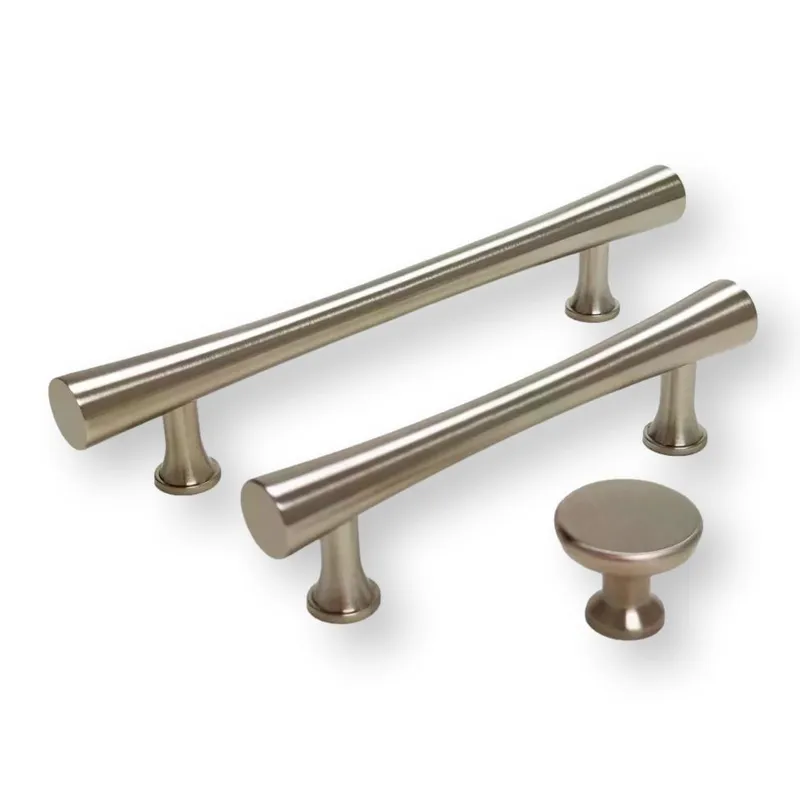
Show all 9 rows ▾Hide table ▴
| Metric | Nickel‑plated zinc alloy pulls | Solid stainless steel pulls (brushed‑nickel look) | Solid brass pulls with brushed/satin nickel finish |
|---|---|---|---|
| Durability | Not established | Hardware in a cabinet system typically lasts 20–30 years in normal household use (hinges, slides, pulls). [1][2] | Tested for more than 50,000 pull cycles. [3] |
| Moisture / water resistance | Not established | Not established | Passed 72‑hour salt‑spray corrosion test. [4] |
| VOC emission level (g/L) | Not established | Not established | Not established |
| R‑value / thermal resistance | Not established | Not established | Not established |
| Maintenance interval (years) | Not established | Not established | Not established |
| Cost per unit (material only) | Not established | $5–$25 per pull (materials only). [5] | $5–$200 per pull (materials only). [6] |
| Cost per unit installed (material + labor) | Labor adds $5–$30 per pull on top of material cost. [7] | Labor adds $5–$30 per pull on top of material cost. [7] | Labor adds $5–$30 per pull on top of material cost. [7] |
| Cost per unit (per m²) | Not established | Not established | Not established |
| Cost per unit (per sq ft) | Not established | Not established | Not established |
Nickel‑plated zinc alloy pulls: the builder pack
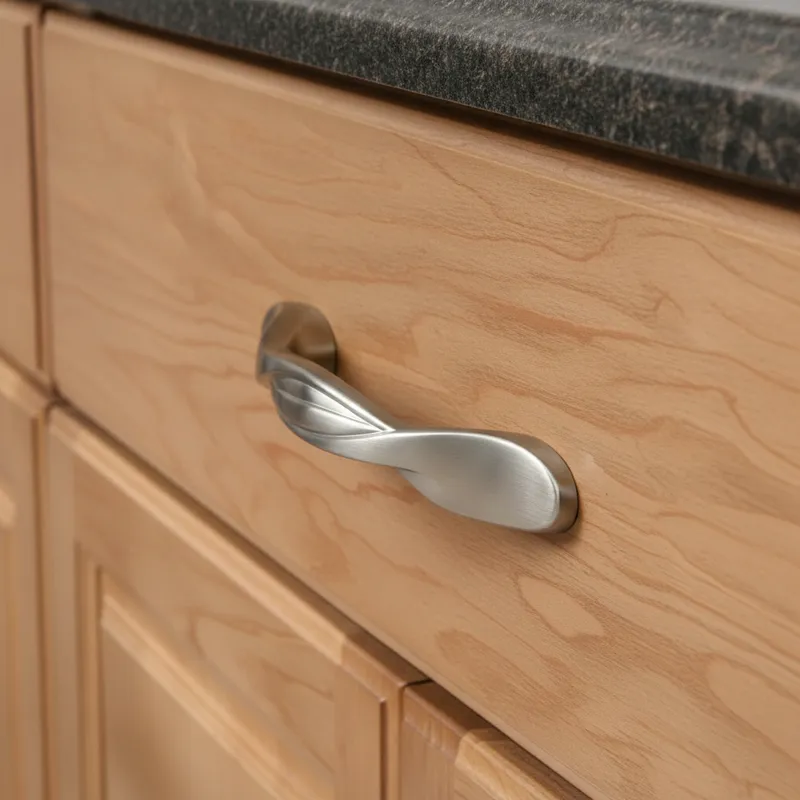
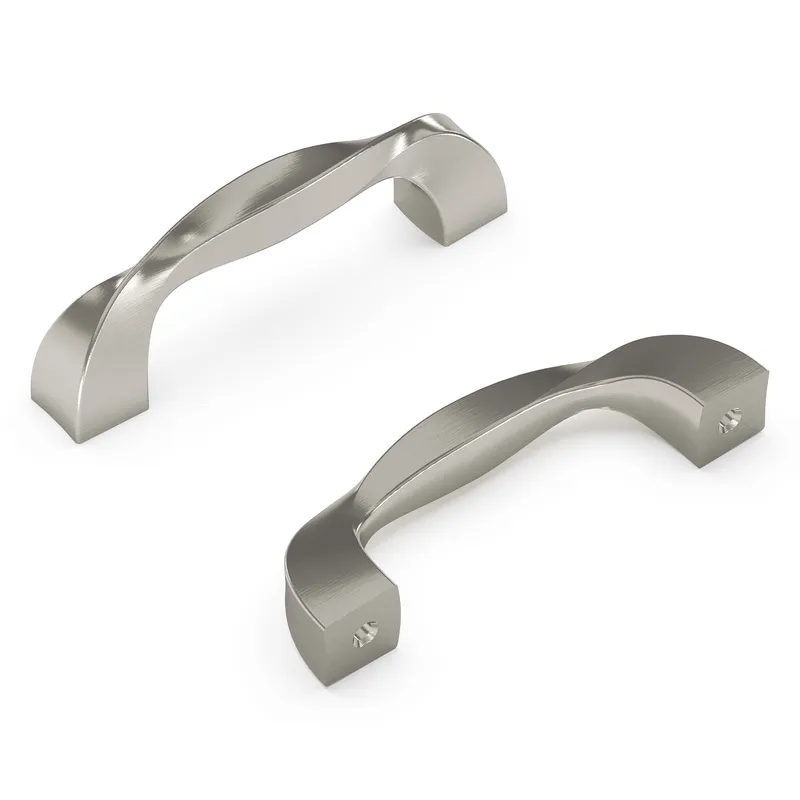
These are the brushed nickel cabinet pulls you see in 25‑packs online: light in the hand, finish looks fine from a distance, price looks even better on a quote. They’re what a lot of contractors default to when the brief is “keep it cheap” and nobody’s talking design.
There’s no published durability or corrosion spec here in the data, which tells you a lot by omission: performance isn’t what’s being sold. The actual weak point isn’t “nickel” as a color; it’s the thin plating on a soft zinc body. In real kitchens, that’s what leads to edges going yellowish, high‑touch spots getting patchy, and the odd pull bending or twisting when someone yanks a heavy drawer. Grease, heat, water and hand oils are exactly what break coatings down at pulls and near the range over time. [8][9]
On cost, you’ll see attention‑grabbing low prices per pull in big packs, but the only hard number we have is labor: installing hardware runs $5–$30 per piece in the U.S. [7] Even if you grabbed the cheapest zinc multi‑pack on the internet, you’re still paying real money for someone to line them up, drill, and mount everything. That’s the trap: you save a couple of dollars on each pull and then pay full labor to install hardware you’ll probably want to replace sooner than anything else in the room.
Living with them is… fine for a rental or a flip. They hide fingerprints better than chrome, you wipe them when you wipe the doors, and they do the job. But if you’re spending proper 2025 remodel money and obsessing over quartz slabs and custom paint, hanging the whole kitchen off the cheapest nickel‑plated zinc you can find is like putting plastic hubcaps on a new car. It works. It just looks and feels like the budget line that it is.
Whatever you choose, maintenance is simple but not optional: those high‑contact points should be wiped weekly, cabinets cleaned monthly with mild soap and water, and hardware tightened about once a year so loose screws don’t start racking the doors and stressing cheap pulls. [10]
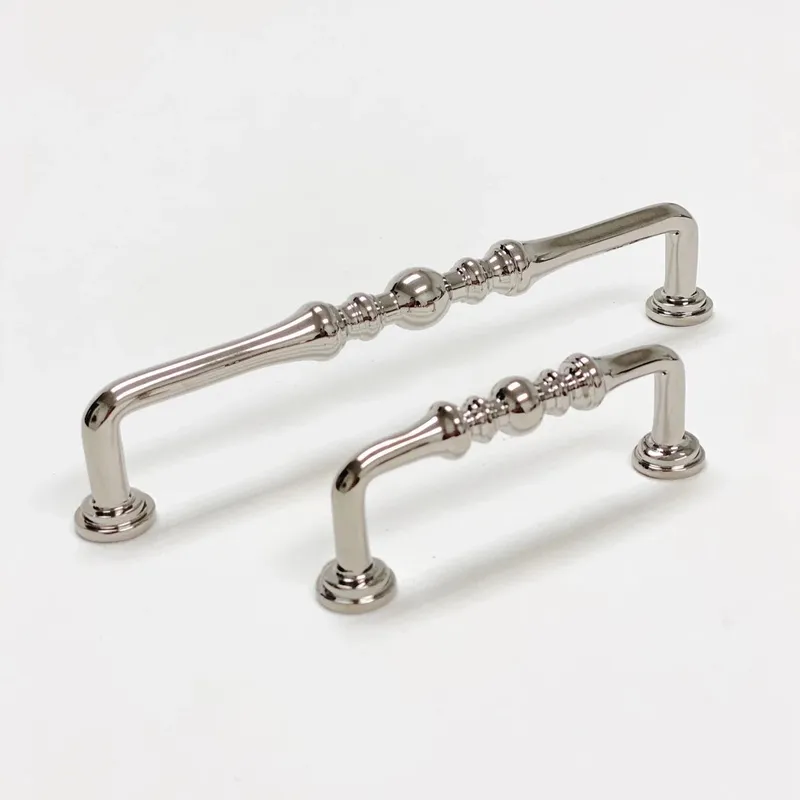
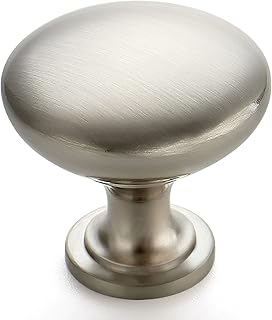
Solid stainless steel pulls with a brushed‑nickel look: the quiet workhorse
Now we’re talking about modern nickel drawer pulls that actually feel substantial when you grab them. These are often sold as “brushed stainless” or “stainless with a nickel tone” and read visually similar to brushed nickel, but the body is solid stainless steel, not zinc.
The best part is lifespan. Hardware in a cabinet system—hinges, slides, pulls—has a typical service life of 20–30 years in normal household use. [1][2] That means if you pick decent stainless pulls once, you’re broadly aligned with the life of the cabinets themselves. You’re not expecting to swap them halfway through just because they’ve gone wobbly or ugly.
Cost‑wise, stainless cabinet hardware commonly runs $5–$25 per pull for materials in 2024. [5] Add U.S. labor of $5–$30 per piece to install. [7] That puts a single pull anywhere from firmly affordable to “maybe don’t do the entire butler’s pantry in the $25 version,” but at least you’re paying for metal that will survive a family kitchen. There’s no established cost per m² or per sq ft in the data, so budget by count, not area.
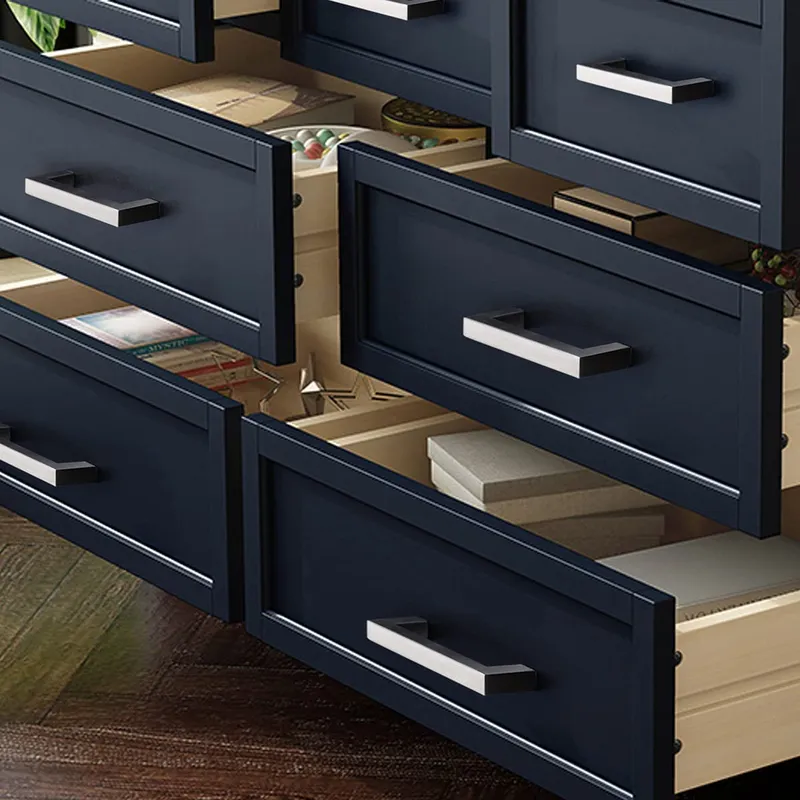
In the hand, good stainless brushed pulls are worlds better than the skinny nickel bars that look great in listing photos and feel like cheese graters on your fingers. The mistake I’ve seen a hundred times is going too thin and too long—on big drawers they flex, twist, and slowly work loose. If you like the brushed nickel look but want a kitchen that feels intentional, go for chunkier, solid profiles that are comfortable to grab and sized appropriately to the door or drawer.
Visually, these behave a lot like brushed nickel: softer than chrome, kinder to fingerprints, and easy with white or wood cabinets. They are still “safe,” but in a way that feels deliberate when paired with other crisp elements—think chrome faucet or stainless appliances—rather than the “contractor special” brushed nickel everywhere. And because the base metal is stainless, not zinc, you’re starting from a place that actually wants to live in a kitchen.
Same maintenance rules apply: high‑touch areas wiped weekly, full cabinet runs monthly with mild soap and water, and an annual hardware tighten so those long bar pulls don’t start drooping. [10] Stainless is forgiving, but kitchen grime is relentless.
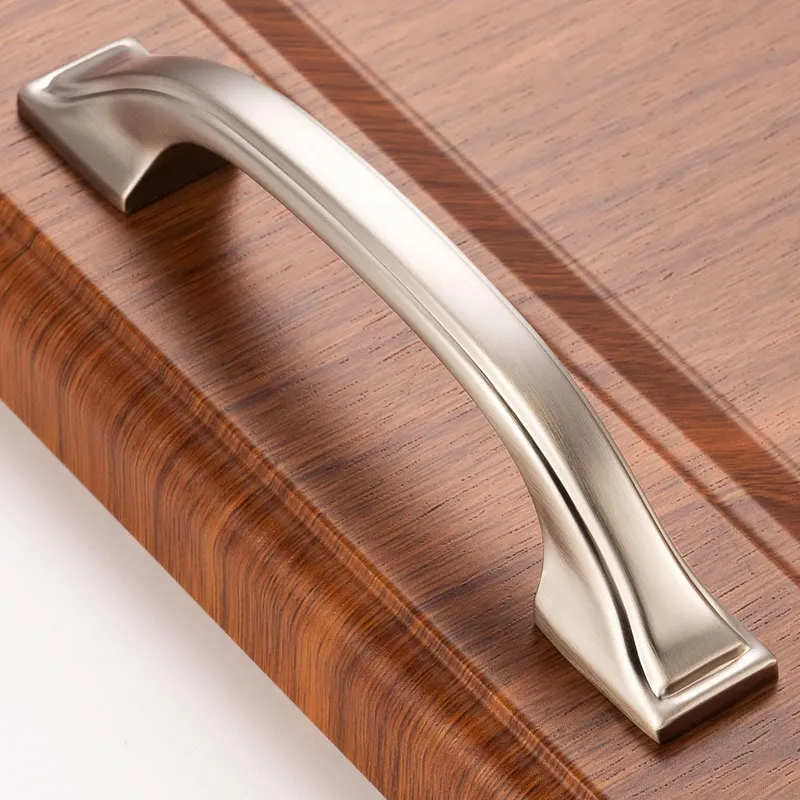

Solid brass pulls with brushed or satin nickel finish: the grown‑up choice
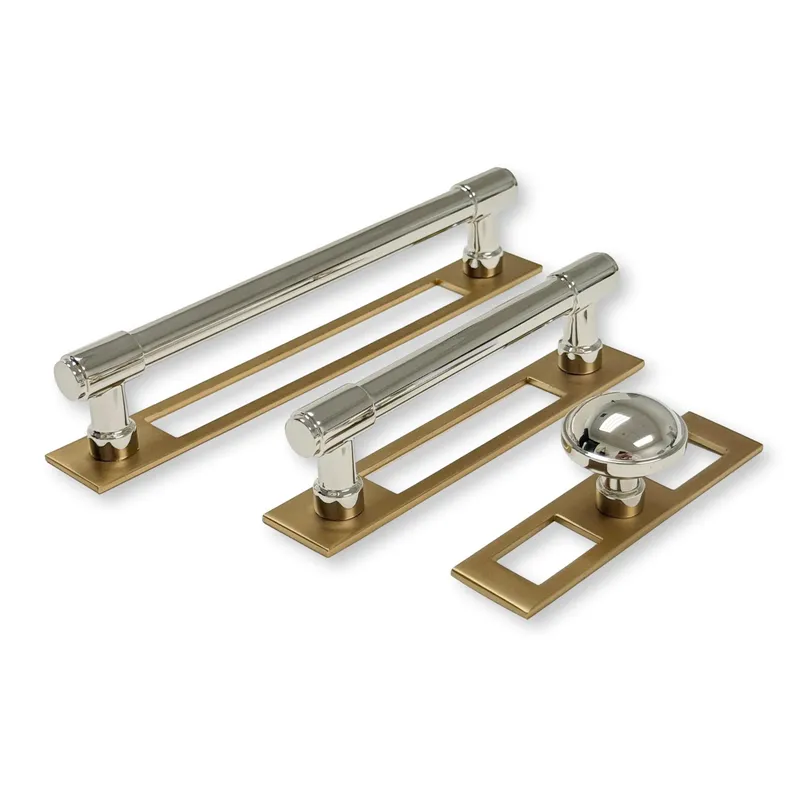
These are where “nickel kitchen cabinet pulls” start to earn their keep. Solid brass bodies with a brushed or satin nickel finish feel dense, stay straight on long drawers, and can actually justify the cost of a good installer.
We have two hard performance numbers here, and they’re both telling. First, Amerdeco’s solid brass cabinet pulls in brushed satin nickel are tested for more than 50,000 pull cycles. [3] That’s the kind of data you want to see when you’re fitting a busy family kitchen—tens of thousands of openings without measurable degradation. Second, those same pulls passed a 72‑hour salt‑spray corrosion test. [4] That doesn’t make them marine hardware, but it does say they’re not going to start pitting the minute someone boils pasta with the window closed.
On cost, brass cabinet hardware in the U.S. spans a huge range: $5 to $200 per piece for materials alone. [6] A simple solid‑brass pull might land nearer the bottom; a long custom piece or designer profile can climb fast. Then you still add labor of $5–$30 per pull for installation. [7] This is exactly why you don’t want to treat brass‑body nickel pulls like an afterthought—if you’re paying that anyway, they’d better be the right shape, weight, and finish for the kitchen.
Where brass‑body nickel shines is feel and longevity. The weight in the hand, the way a proper mounting doesn’t twist when you tug a heavy pan drawer—that’s the daily luxury you actually notice. And because the substrate is brass, you’re less likely to see the “cheap base metal peeking through” problem that plagues budget zinc pieces once the finish starts wearing from grease, heat, water and hand oils on those high‑use locations near the range and sink. [8][9]
This is also the category where standards matter. Cabinet hardware can be certified to ANSI/BHMA A156.9, the standard that sets performance tests for cabinet hardware—operational, cyclical and strength. [11][12] If you see A156.9 certification on a spec sheet, BHMA’s own guidance says you can be assured the products will perform as expected under repeated use. [13][14] For a family kitchen where kids are hanging off drawers and slamming pantry doors, that’s not just alphabet soup; it’s the difference between “still feels tight in ten years” and “why is this handle loose again?”
Style‑wise, this is where I want clients to be if they insist on nickel for a 2025 remodel. Not the razor‑thin bar that hurts your fingers, but a slightly thicker, well‑proportioned pull or comfortable knob that reads quiet but intentional. On white cabinets, chrome is sharper and brass is warmer; nickel‑finished brass is the one that can still look considered rather than default—especially if everything else in the room isn’t also “safe.”
These need the same basic care schedule: weekly wipe on pulls and cabinet faces near the range, monthly gentle clean of the full run, quarterly hinge/slide checks, annual tightening. [10] Skip that, and any finish—nickel, chrome, brass—will start failing from the surface inward long before the metal itself gives up. [8]
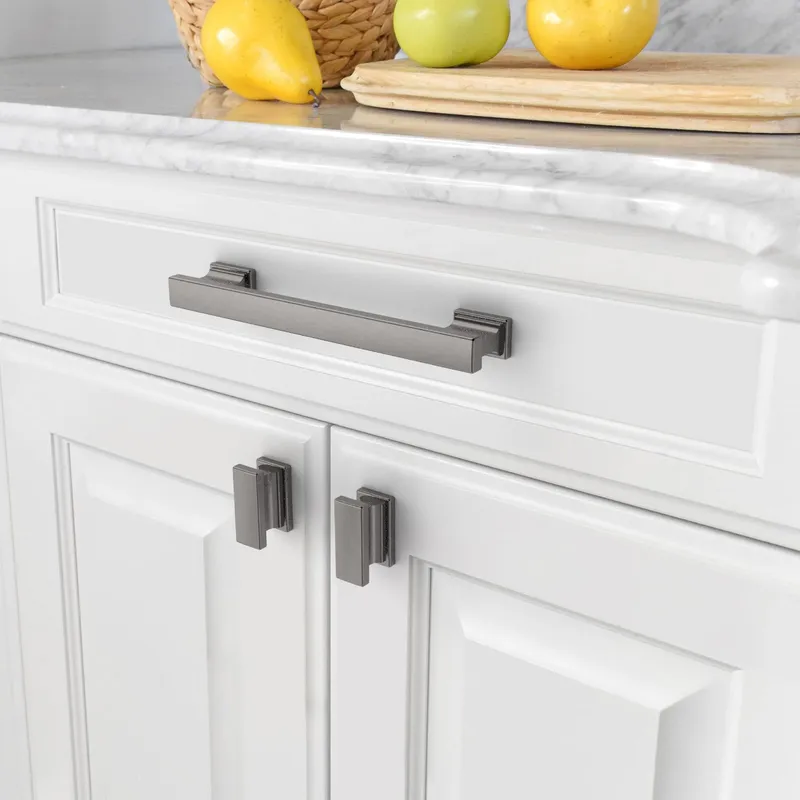

Which nickel kitchen cabinet pulls should you choose?
I’m going to be blunt: hardware is cheap compared with cabinets and counters, and you touch it constantly. This is not where you want to save the last 5% of the budget.
If you’re doing a budget renovation or a rental, nickel‑plated zinc pulls are acceptable—this is the one scenario where the plain white T‑shirt hardware makes sense. Just don’t chase the absolute rock‑bottom pack price and then pay full labor to install flimsy bars. Make sure the profile is comfortable and solid enough that it doesn’t twist the first time someone leans on a drawer. Labor will still be $5–$30 per pull either way. [7]
If you’re remodeling your own long‑term home, solid stainless with a brushed‑nickel look is the baseline. At $5–$25 per piece for materials [5] plus that same $5–$30 installation [7], you’re getting hardware with a documented 20–30‑year service life for the cabinet system as a whole. [1][2] That lines up with how long you probably want to keep this kitchen before a serious refresh.
If you care about hand‑feel and want the kitchen to age well, go to solid brass with a brushed or satin nickel finish. You’re into a wider material range of $5–$200 per pull [6] plus install [7], but you’re buying tested performance (50,000+ pull cycles [3]) and proven corrosion resistance (72‑hour salt‑spray [4]). Look for ANSI/BHMA A156.9 certification on spec sheets to know the pulls have been run through real cycle and strength tests. [11][12][13][14]
If you’re doing white cabinets in 2025 and you want the kitchen to look intentionally designed, not “contractor grabbed a 25‑pack,” I’d actually ask why you’re locked on nickel at all. Chrome with white looks crisp and deliberate; brass looks warm and current. Satin or brushed nickel on white is the “no opinion” answer. If you still choose it, choose it on purpose: a high‑quality stainless or brass‑body pull, strong proportion, and a finish that plays nicely with your faucet and appliances instead of almost‑matching everything.
For all of these, check local pricing and availability—labor rates, product lines, and even which finishes are stocked vs. special‑order vary city to city.
Key facts
| What it covers | Value | Source |
|---|---|---|
| Typical cabinet hardware installation labor (U.S.) | $5–$30 per pull installed. [7] | Bob Vila |
| Service life for cabinet hardware in residential kitchens | 20–30 years for hardware (hinges, slides, pulls) in normal household use. [1][2] | Classic Cabinetry |
| Stainless steel cabinet hardware material cost (U.S.) | $5–$25 per piece for materials. [5] | Maxave |
| Brass cabinet hardware material cost range (U.S.) | $5–$200 per piece for materials. [6] | Bob Vila |
| Durability of solid brass brushed satin nickel pulls | Tested for more than 50,000 pull cycles. [3] | Amerdeco |
| Corrosion resistance of solid brass brushed satin nickel pulls | Passed 72‑hour salt‑spray test. [4] | Amerdeco |
| Cabinet hardware performance standard | ANSI/BHMA A156.9 for cabinet hardware; includes operational, cyclical, and strength tests, and certified products are tested to meet these criteria. [11][12][13][14] | ANSI / BHMA |
| Typical cabinet wear and maintenance patterns | Finish wears through at pulls and near range first; recommended maintenance is weekly wipe of high‑contact points, monthly full clean, quarterly hinge/slide checks, annual tightening. [8][9][10] | Classic Cabinetry |
Quick answers
How long do good kitchen cabinet pulls last?
Cabinet hardware—hinges, slides, and pulls—typically has a service life of 20–30 years in normal household use. [1][2] That means a well‑chosen pull should broadly last as long as the cabinets before you need to think about replacement, assuming basic cleaning and occasional tightening.
How much does it cost to install nickel kitchen cabinet pulls?
Labor to install cabinet hardware in the U.S. is $5–$30 per pull, on top of the material cost. [7] Actual rates depend on your region and installer, so it’s wise to get a local quote before you order a full kitchen’s worth of hardware.
What do solid stainless cabinet pulls with a brushed nickel look cost?
Solid stainless cabinet hardware commonly costs $5–$25 per pull for materials in 2024. [5] When you add installation labor of $5–$30 per pull, [7] your total per piece can range widely, so align the pull price with how many pieces your kitchen actually needs.
Are solid brass nickel‑finished pulls more durable than cheap alternatives?
Solid brass cabinet pulls with a brushed satin nickel finish have documented durability of more than 50,000 pull cycles [3] and have passed 72‑hour salt‑spray corrosion testing. [4] That’s a level of tested performance you simply don’t see quoted for budget zinc multi‑packs.
What standards should I look for on nickel kitchen cabinet pulls?
You should look for cabinet hardware certified to ANSI/BHMA A156.9, which sets operational, cyclical, and strength requirements for cabinet hardware. [11][12] BHMA states that buyers of hardware certified to A156.9 can be assured the products will perform to expectations under repeated operation. [13][14]
How should I maintain nickel kitchen cabinet pulls so the finish lasts?
You should wipe high‑contact points like pulls and doors beside the range weekly, clean the full run monthly with mild soap and water, check hinges and slides quarterly, and tighten hardware annually. [10] This routine slows the surface‑inward finish breakdown caused by grease, heat, water, and hand oils at pulls and cooking zones. [8][9]
Sources
Facts last verified 2026-10-15.
- Hardware (hinges, slides, pulls) in a cabinet system has a typical service life of 20 to 30 years. — Classic Cabinetry, retrieved 2026-10-15.
Hardware (hinges, slides, pulls)20 to 30 years
- Cabinet hinges and drawer slides last 20 to 30 years in normal household use. — Classic Cabinetry, retrieved 2026-10-15.
Cabinet hinges and drawer slides last 20 to 30 years in normal household use, and they can be replaced without disturbing the cabinet.
- Amerdeco solid brass cabinet pulls in brushed satin nickel are tested for more than 50,000 pull cycles. — Amerdeco, retrieved 2026-10-15.
Durability Testing: 50,000+ Pull Cycles
- Amerdeco solid brass cabinet pulls with a brushed satin nickel finish passed 72-hour salt-spray testing. — Amerdeco, retrieved 2026-10-15.
Corrosion Resistance: Passed 72-Hour Salt Spray Testing
- Stainless-steel cabinet hardware commonly costs $5–$25 per piece for materials in a 2024 U.S. cost guide, while the available source does not provide a separate installed cost per pull. — Maxave, retrieved 2026-10-15.
Stainless Steel|Durable, resistant to corrosion, and has a modern appearance|$5-25
- Brass cabinet hardware in the United States typically costs $5 to $200 per piece for materials. — Bob Vila, retrieved 2026-10-15.
Homeowners can expect to pay between $5 and $200 for each piece of brass hardware.
- Labor to install cabinet hardware averages $5–$30 per piece in the United States. — Bob Vila, retrieved 2026-10-15.
The labor cost to install cabinet hardware averages $5 to $30 per piece if a cabinet installer is hired to do the job.
- The finish on kitchen cabinets fails from the surface inward, with grease, heat, water, and hand oils breaking down the coating gradually at points that get touched, causing wear at pulls and beside the range before other areas. — Classic Cabinetry, retrieved 2026-10-15.
The finish is next, and it fails from the surface inward. Grease, heat, water, and hand oils break down a coating gradually at the points that get touched, which is why wear shows at pulls and beside …
- Common failure modes for kitchen cabinets include drawers that stick or drop with new slides (hardware or racked box), finish worn through at pulls or dulled beside the range (finish), yellowing on painted doors near heat (finish), swollen or delaminated panels at the sink or dishwasher (box), sagging shelves (box or shelf supports), and boxes separating from the wall (box and anchoring). — Classic Cabinetry, retrieved 2026-10-15.
Drawers that stick or drop even with new slides, which points to hardware or a racked box Finish worn through at pulls or dulled beside the range, which points to the finish Yellowing on painted doors…
- Regular cabinet maintenance should include wiping high-contact points weekly (pulls, doors beside the range, sink cabinet face), cleaning the full run monthly with mild soap and water, checking hinges and slides quarterly, tightening hardware annually, keeping indoor humidity between 30 and 50 percent year-round, running the range hood while cooking, addressing plumbing leaks immediately, and avoiding overloading shelves. — Classic Cabinetry, retrieved 2026-10-15.
Wipe high-contact points weekly, focusing on pulls, the doors beside the range, and the sink cabinet face. Clean the full run monthly with mild soap and water rather than degreasers or abrasive pads. …
- The ANSI/BHMA A156.9-2010 standard covers Cabinet Hardware. — American National Standards Institute (ANSI), retrieved 2026-10-15.
ANSI/BHMA A156.9-2010 , Cabinet Hardware.
- The ANSI/BHMA A156.9-2026 Standard establishes requirements for Cabinet Hardware, including performance tests covering operational, cyclical, and strength criteria. — Builders Hardware Manufacturers Association (BHMA), retrieved 2026-10-15.
ANSI/BHMA A156.9-2026 This Standard establishes requirements for Cabinet Hardware. Included are performance tests covering operational, cyclical, and strength criteria.
- Purchasers of cabinet hardware certified to A156.9 can be assured products will perform to their expectations. — Builders Hardware Manufacturers Association (BHMA), retrieved 2026-10-15.
Purchasers of cabinet hardware certified to A156.9 ( http://buildershardware.com/cpd ) can be assured products will perform to their expectations.
- Cabinet hardware cycle tests are indicated depending on the type of hardware to assure the design is capable of repeated operation without degradation. — Builders Hardware Manufacturers Association (BHMA), retrieved 2026-10-15.
Cycle tests are indicated depending on the type of cabinet hardware. To assure the design is capable of repeated operation without degradation.