


Typing “chunky reading armchair small space” into a search bar is how a lot of people end up with a chair that doesn’t clear the doorway, never mind the walkway. In a genuinely small apartment, the line is simple: if the chair is deeper than 36 inches or wider than 35 inches overall, it’s not a small-space piece, whatever the marketing says.
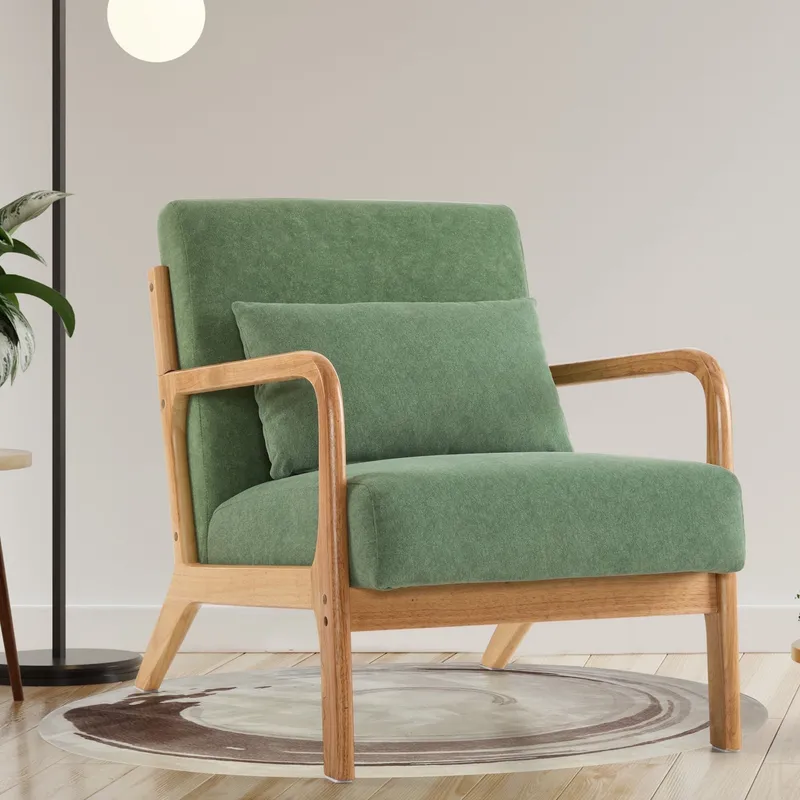
The good news: you can still get that cozy, cocooned reading feel without installing a padded boulder in the middle of your living room. You just need to treat dimensions and layout like non‑negotiables, then choose models that are chunky where you feel it (seat and back) and compact where it counts (arms, base, legs).
What “chunky reading armchair small space” should really mean
For a small apartment, a “chunky” reading armchair should feel generous without being physically oversized. Think structured and compact, not cloud-like and sprawling.
Use these numbers as hard limits, not suggestions:
A good reading chair for a tight room typically has:
- Overall width: 30–35 inches (including arms)
- Seat width: 20–24 inches so you’re not squeezed in
- Overall depth: under 36 inches, front to back
- Clear raised legs: at least 10–12 cm / 4–5 inches off the floor
- Medium seat depth: enough to sit back, but your feet still land flat
Anything that runs 55–60 inches long is now in chaise lounge territory, no matter what the product title says. That might work in a roomy den. It will steamroll a studio.
Chunky reading armchair vs compact lounge chair: which works in a small room?
I’d choose a structured compact lounge chair over a super-padded “cloud” armchair for a small home every single time. Thick, squishy cushions feel fantastic for ten minutes and then your entire living room reads like a mattress showroom. Medium-firm, upright support is what actually keeps you reading for an hour without a neck or lower-back hangover.

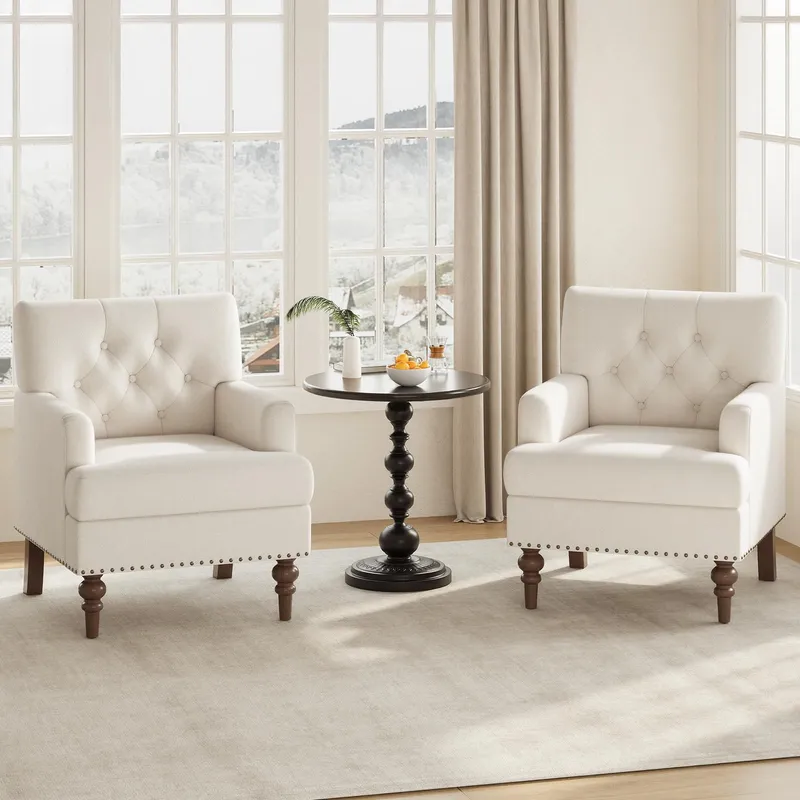
Here’s the real trade‑off:
| Factor | Chunky reading armchair | Compact lounge chair |
|---|---|---|
| Comfort feel | Plush, padded, curl-up friendly | Supportive, upright, better for long reading |
| Floor footprint | Wider, deeper, visually heavy | Slimmer, easier to tuck into corners |
| Visual impact | Big statement, can dominate a small room | Lighter look, plays nicer with other furniture |
| Flexibility | Awkward to move once it’s in | Repositions easily between rooms |
| Best use | Dedicated nook with plenty of spare floor area | Apartment corners, bedrooms, shared living rooms |
If your home is underfurnished and you want one serious lounging throne and not much else, the chunkier style might fit. For everyone else, a compact lounge or barrel chair with a movable ottoman gives you 90% of the comfort with half the headache.
Best chunky reading armchair picks that actually work in small apartments
1. Interior Define Sloan Petite Chair: structured and small‑room friendly
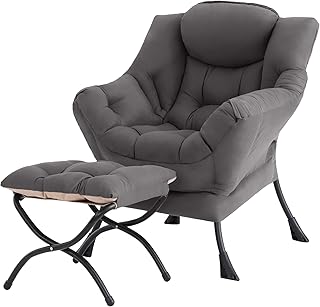
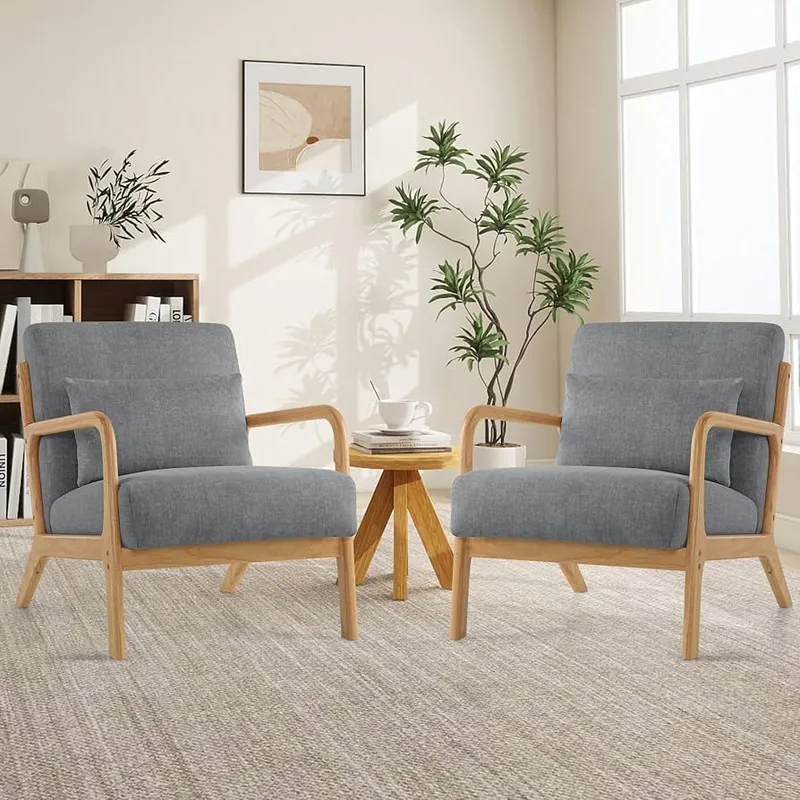
Interior Define’s Sloan Petite is the rare reading chair that feels substantial but behaves well in tight rooms. It’s built explicitly as a petite model, and that matters more than any “cozy oversized” description you’ll see elsewhere.
Why it works for small homes:
The proportions stay within that 30–35 inch width and under‑36 inch depth sweet spot (check your chosen configuration, but the line is designed with small rooms in mind). This is a structured chair, not a sink‑in cloud, which means better posture for reading and less visual bulk. You also get upholstery and configuration options that belong in a long-term home, not a temporary stopgap.
Where it falls short if you want extreme chunk:
If you’re chasing a sprawling, curl‑up chair you can sleep in diagonally, this isn’t that. You won’t get the same sprawling footprint of a 57-inch chaise—and that’s exactly why it belongs in apartments.
2. Sherpa accent chairs: soft texture, compact frames
Sherpa accent chairs are everywhere for a reason: they give that teddy–bear softness without necessarily blowing out your floor plan. The better models aimed at small rooms keep their width around the low‑30s, with tighter, upright backs.
Where sherpa shines:
Great for a reading corner where you want tactile comfort and a bit of trend. These chairs tend to look “chunky” because of the fabric, but they’re often reasonably compact underneath, especially if the base has visible legs.
The catch:
Ergonomics are hit‑or‑miss. Many sherpa chairs are more about the Instagram shot than all‑night reading, with minimal lumbar support and nothing for your feet. You’ll almost always need a separate footstool or ottoman, and you want that ottoman to be small and movable.
3. Compact barrel or boucle armchairs: rounded but not oversized
Compact barrel and boucle chairs are smart when width is your main constraint. Their rounded backs wrap around you without adding sharp corners or visual clutter, and they often sneak under 32 inches overall width.
Why they suit small rooms:
Visually soft, physically contained. A good barrel chair gives you that hug‑like feel people look for in “chunky” pieces, but the footprint stays disciplined. This is where you can get away with a more dramatic look—curves, boucle, color—without wrecking circulation paths.
Red flags to watch:
A lot of barrel chairs come paired with fixed ottomans or attached chaise sections. That’s how a neat little chair balloons into a 55+ inch beast that blocks your closet door. If the ottoman can’t move independently, walk away.
4. Chair-and-ottoman sets: the only “chunky” combo that earns its keep
Chair-and-ottoman sets are often sold as the best chunky reading armchair for small apartments, and that’s only true under one condition: the ottoman has to move and tuck away.
Done right, this setup is perfect for a micro reading nook. You buy a compact frame, add a separate ottoman you can pull out for serious lounging, then slide it aside when you need the floor back. The ottoman can double as a side table with a tray on top, or as an extra seat when friends come over. That’s how you stretch a footprint in a tiny home.
A budget reference point: a velvet chair-and-ottoman set from a big-box retailer was listed at about $190 on sale (about $290 regular). That’s squarely in the entry‑level range for this category.
Where these sets go wrong:
Two pieces in a cramped room can look like clutter if you overshoot the dimensions. Make sure the combined length of chair plus ottoman doesn’t exceed your available wall‑to‑walkway depth; otherwise you’ve just installed a chaise in disguise.
5. Oversized chenille chair with movable ottoman: only for “larger small” rooms
Oversized chaise-style “reading chairs” that run around 57.5 inches overall, like some popular chenille models with ottomans, are being marketed aggressively to small‑apartment dwellers. In a real one‑bedroom or studio, they’re a problem.
Yes, many buyers rave about softness, looks, and value. But the review patterns are telling: some people call them huge, others think they’re smaller than expected, and plenty complain about confusing assembly and question the long‑term durability.
My take: in a tight room, this is a no. You’re basically installing a small chaise, then living with the fallout every time you try to walk past or open a cabinet. This type of chair only belongs in a room where you’re happy to dedicate most of a wall to lounging and you’ve confirmed, with measurements, that traffic can move around it.
6. Armless slipper chairs and narrow chaises: when space is really tight
When the room is so tight you’re tempted to skip a chair altogether, armless slipper chairs and narrow chaises are your best bet.
Slipper chairs keep a ridiculously small footprint because they lose the arms entirely. They’re not technically “chunky,” but they do one crucial thing: keep sightlines open so the room doesn’t feel choked. In narrow corners or beside doors, they’re the only piece that fits without causing daily annoyance.
Narrow chaises sit in the middle ground: enough length to stretch your legs, less width than a full lounge. They make sense in a bay window or along a dead wall, but they often run deeper than an armchair. In other words, they’re strategic, not general‑purpose.
How much does a chunky reading armchair for a small home cost?
The price range is wider than most people expect. Here’s how it usually breaks out:

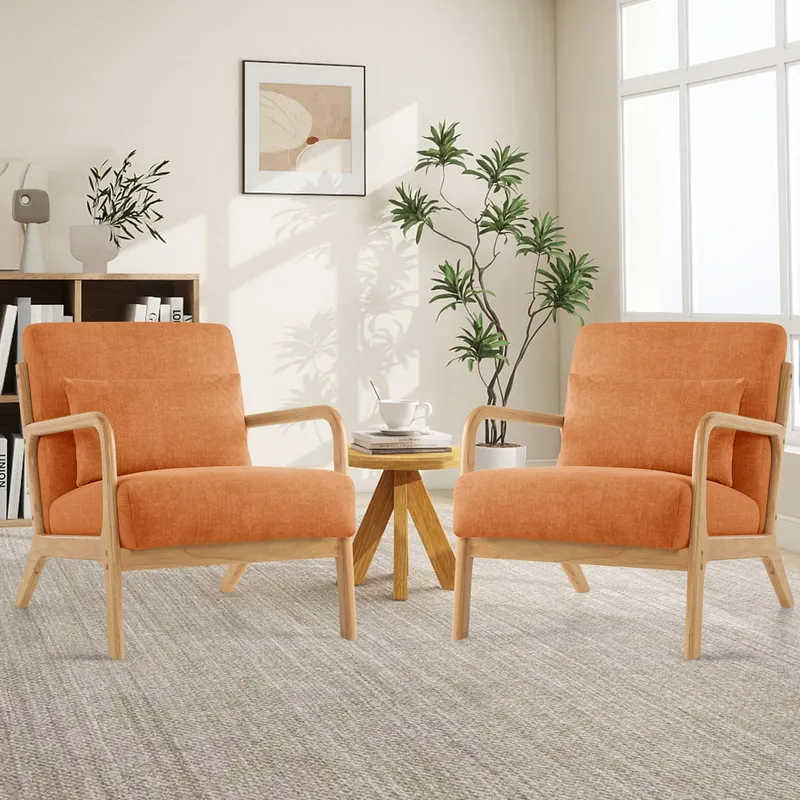
Budget (about $150–$300): this is where you’ll find entry‑level velvet, sherpa, and basic chair‑and‑ottoman sets. Foam is often softer and less dense, frames lighter, fabrics more prone to pilling. Good for renters who don’t want a forever piece.
Mid-range: prices climb for sturdier frames, better foam density, real wood legs, and more interesting fabrics. If you live in a small apartment but use your reading chair daily, this is where your money should go.
Premium: designer and made‑to‑order chairs (including petite models from higher‑end brands) can run far higher. Here you’re paying for build quality, custom sizing, and fabrics that can survive years of use and still look presentable.
In a small home, don’t waste money on depth you physically can’t use. Spend it on:
— a compact frame that actually fits
— durable, cleanable upholstery
— removable cushions
— a configuration you can return if it turns out to be a mismatch
Features that matter in a small reading nook (and what to skip)
Certain design details make or break a chunky reading armchair in a compact room.
Prioritize:
Movable ottoman. A separate piece you can angle, stash, or repurpose as a side table is far more useful than a fixed chaise.
Slim arms. Wide overstuffed arms are where a lot of “small” chairs hide their bulk. You want arms that give you comfort without stealing half the width.
Raised legs. A boxy base that sits flat on the floor will make your room feel brutally cramped. Legs that lift the frame 4–5 inches off the floor let light and air slide under, which visually lightens the whole corner and makes cleaning easier.
Medium-firm cushions. Ultra-soft, unstructured filling sounds dreamy, but for reading it’s a trap—you end up slouching and fidgeting. Medium or firm cushions with some resilience support long sessions.
Removable or performance upholstery. Small apartments work hard. You eat, drink, nap, and scroll in the same 3 square meters. A fabric that resists stains and can be spot‑cleaned is not a luxury; it’s the baseline.
Side pockets. Handy for a book or remote, but don’t let them stand in for a side table. You still need a stable surface for a drink and a lamp.
Non‑negotiables: when to walk away from a “chunky” chair
I don’t care how many five‑star “so comfy!!!” reviews a chair has—if certain basics aren’t clear, skip it. Ratings don’t fix bad dimensions.

Do not buy if:
— The overall depth is greater than the distance from your wall to your walking path.
— The ottoman, when pulled out, cuts across your main route through the room.
— The seat is so deep your feet dangle instead of resting on the floor.
— The arms eat up most of the advertised width, leaving a tiny actual sitting area.
— The upholstery is known to pill or is dry‑clean only and you live in that chair.
— Dimensions are vague, contradictory, or buried; the return terms are weak; or there are no real reviews showing photos of the full chair in context.
— You’re not sure the boxed chair will even fit up your stairs or through your door.
For the smallest reading corners, the safest bet is simple: a compact upholstered armchair or barrel chair around 30–35 inches wide and under 36 inches deep, plus a small, movable ottoman. That combo gives you reading comfort, keeps the room usable, and doesn’t turn your apartment into an obstacle course.
Mini FAQ: chunky reading armchairs in small apartments
Is a chunky reading armchair small space-friendly if it’s marketed as “apartment size”?
No label overrides physics. If the overall depth is over 36 inches or the width passes 35 inches, it’s not small‑apartment friendly. Measure your room with a tape, not your hopes with a product title.
What’s better for a studio: chunky armchair or compact lounge chair?
A compact lounge or barrel chair wins. You get cleaner lines, easier placement, and better long‑term posture. You can still layer in chunk with fabrics (sherpa, boucle), a throw, and cushions without sacrificing floor area.
What’s the typical cost of a chunky reading armchair for a small home reading nook?
Expect roughly $150–$300 for budget options, more for durable mid‑range pieces, and significantly more for designer petite chairs. Decide your maximum footprint first, then shop within that—not the other way around.